

 Oops! We couldn’t find any results...
Mickey Costa, CEO and Co-Founder of Access Network, wants to create a new economic model for the world, and he calls it wealth inclusion. Forget trying to decrease the wealth gap, forget embracing socialism or demonizing capitalism or cuddling up with communism—he isn’t about all that. He sees the potential for a sweet spot in the middle, for a conscious capitalism that empowers people not in spite of free market enterprise but because of free market enterprise. All this, he believes, is attainable by decentralizing finance through blockchain technology.
He’s hoping Access Network will take him there.
Access Network, a decentralized network being launched by Atlas Money, allows people in developing countries to open bank accounts through a branchless peer-to-peer model built on the blockchain network. Rather than relying on a central institution, each banker uses their smartphone to bank other people, and they’re incentivized to do so by earning money. Developers are also incentivized—when they create new tools and features that bankers request, they’re rewarded with tokens.
“We’re enabling the unbanked to bank themselves, and to build out their own banking infrastructure, in a shared economy sense, and we’re incentivizing them to do so," Costa said. "They vote on what kind of greater banking tools they require; they vote with tokens to encourage developers to build more of these tools for them.”
A little bit of background
Costa doesn’t have an educational background in either finance or technology. Instead, he studied history at college, and through its study, he says he developed an eye for patterns. For him, identifying patterns is the first step toward solving problems, and he believes the biggest problems in today’s world can be solved through a better system of banking and finance.
“How can we look at patterns and actually empower humanity? What are things that people need to be empowered? Banking and money are the most fundamental building blocks that you can use to enable other verticals that may be very important to someone,” he said. “Someone might say, ‘No no no, clean water and healthcare is the most important thing.’ And I may agree, but if you solve economic problems, you can speed up the development of clean water and healthcare.”
He says he never had any early experiences that primed him to be either an entrepreneur or to take a mission-driven path toward helping people. It’s just something that he’s decided he wants to pursue with his time after seeing the challenges facing African communities.
“What drives me is: I realize I have a small window here on earth,” he said. “So, how can I use that time to help as many people as possible? The answer is creating a sustainable free market, the answer is banking that enables growth for everything else. And at a thesis level, that’s how I got drawn to the concept of decentralization and blockchain—to enable that model to work.”
The seed of inspiration
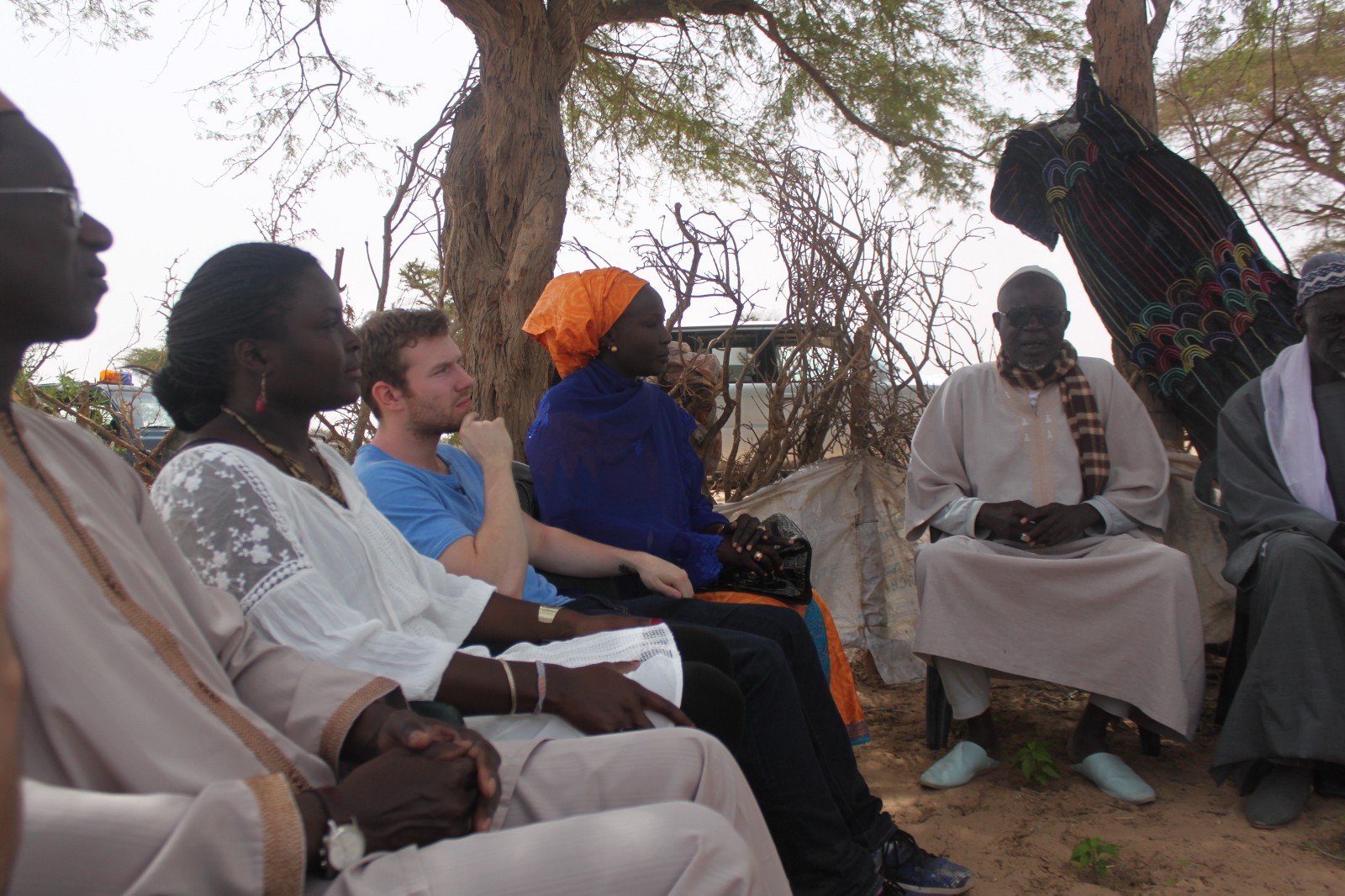
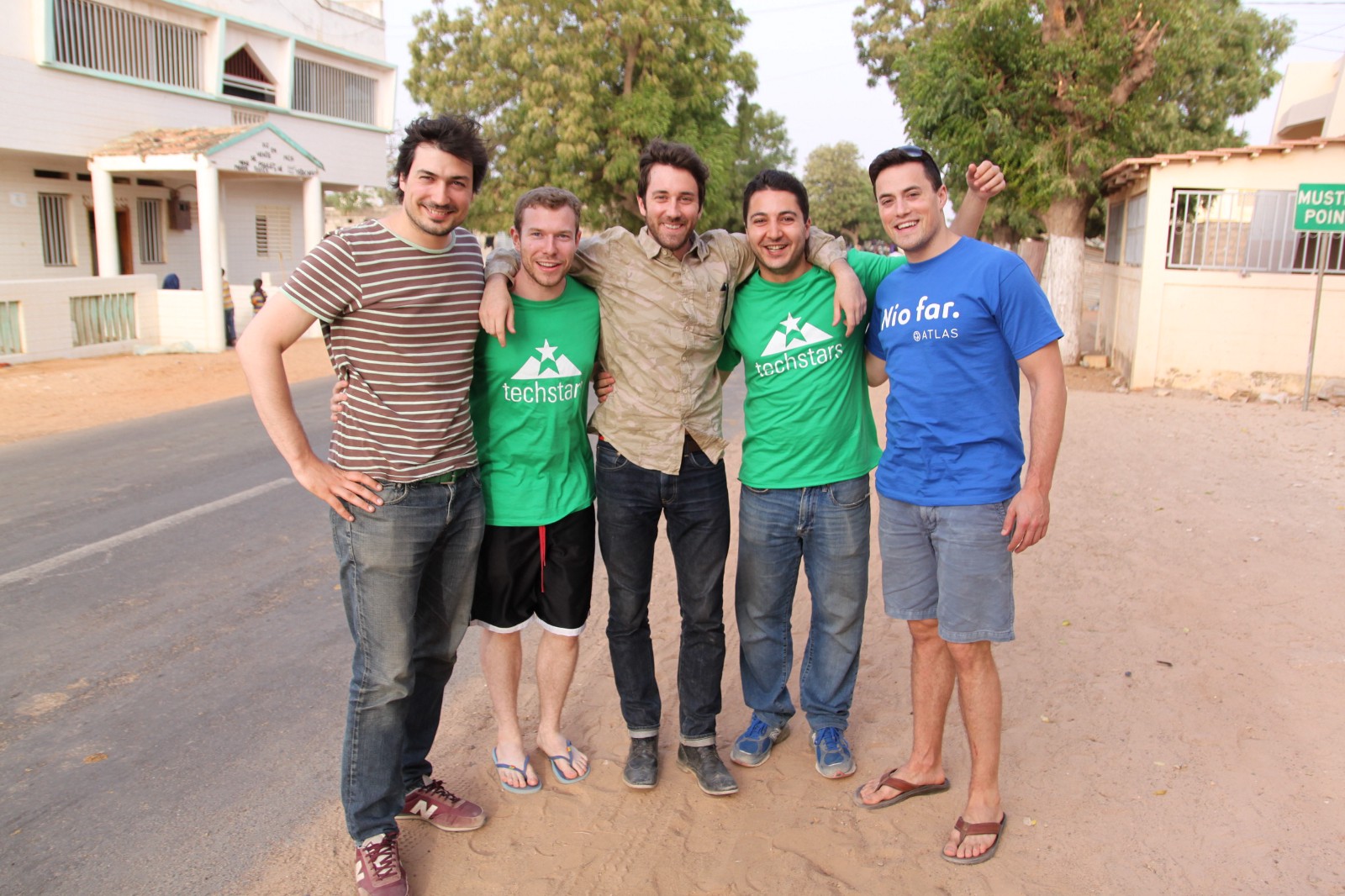
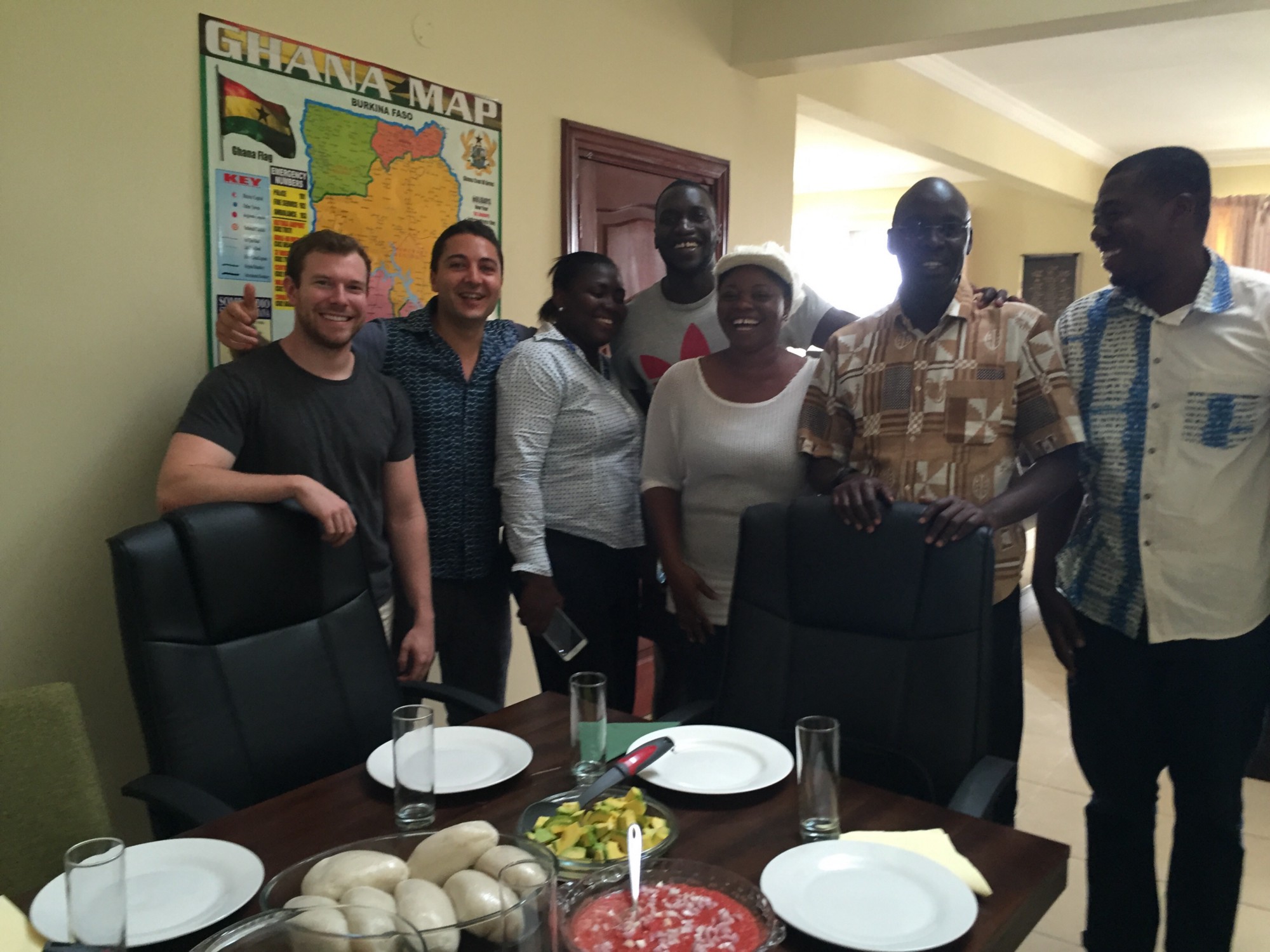
The inspiration for Access Network was born from Costa’s travels to Africa. Having heard of and being troubled by the financial struggles in the continent’s developing countries, he moved to Ghana, and there he discovered an encouraging but also disconcerting practice—with little access to centralized bank accounts people were banking each other, but some would lose all of their money in the process.
People in Ghana would hold onto others’ cash for small fees, but there was no system of checks-and-balances or any kind of established trust, so sometimes the money was mismanaged. On one hand, Costa found it inspiring to see community members taking their finances into their own hands in absence of centralized finance, and he also found it refreshing to see community members building bonds with each other. On the other hand, the practice was harming many people, financially.
“These people are the people who need the most help,” Costa said. “And they’re getting burned by losing their life savings.”
An idea was born from these observations. Costa saw an opportunity to use blockchain technology to create a trusted peer-to-peer banking system, one that would prove far less costly for users than their existing model.
“They know what they’re doing they just need better technology and tools to do it,” he said. “The people deserve their own bank, and they deserve their own tools to add more complexity to it over time."

The importance of community
The communal structure he saw in Ghana is one reason he saw potential for a blockchain based peer-to-peer banking system. Without those communities, Access Network would have had a tough time getting off the ground. But the system was already in place, so developing a scalable technology was all that was needed to bring the project into fruition.
“It’s an existing, offline, LinkedIn network,” he said of the communities. “Everything’s very structured. Everything’s very democratic in a communal way. The women selling tomatoes and bananas in an informal market, they have a team leader. She holds weekly meet-ups with them to get their input, and after that, she’ll negotiate with the farmers when choosing what to buy in bulk."
In addition to the community members who serve as bankers, many operation team members from Access Network are African locals.
“We have a lot of local African people doing operations who know their communities well and are amazingly qualified given their backgrounds. They build meet-ups and give product feedback. They’re people who want to solve this problem. The local people are very important.”
Why he chose to crowdfund through Republic
Funding Access Network through crowdfunding interested Costa off the bat, but he had his reservations. It’s a new space, and navigating the waters can be tricky with a lot of potential problems. He wanted to be sure he proceeded with caution given the legal sensitivities.
“We were very careful about how we planned this and who we deal with,” he said. “The space is one that is full of murky waters. But you don’t want to throw the baby out with the bathwater needlessly, and Republic presented a way to crowdfund very legally and above water, so I get the best of both worlds. We don’t have to run a risk of running into the SEC regulatory landscape.”
Crowdfunding ties into the ethos of Access Network—by decentralizing capital through many different investors, founders retain their power to shape their businesses on their own terms, without the agendas of VCs steering them in directions they’d prefer not to take.
“[Crowdfunding] is a great thing, right, it’s very democratic, it gives greater access to capital to people to help make dreams a reality,” Costa said. "So it’s really good for the founder and the people to be a part of this network that they believe in.”
Creating entrepreneurship is everything
People banking each other isn’t just about owning a bank account and storing money safely—in the end, it creates entrepreneurs. The process creates a shared economy, where everyone who banks earns money, this, according to Costa, is the chief benefit of allowing people to bank each other.
“In these countries there no corporate jobs, but everyone’s what I call a necessity entrepreneur,” he said. “Because there’s no jobs, the marketplaces are all informal, and people are selling tomatoes and bananas in the street. They make maybe $80 - $120 per month. But by banking with their smartphones, bankers on with Access Network are earning $200 or $300 a month. So, it’s created a plethora of jobs in a sharing economy way.”
Without access to money, it’s difficult to make money. Costa acknowledges the role access to immense capital has played in the innovation that’s taken place in Silicon Valley. Without that wealth, he says, we wouldn’t have all the technological progress we’ve experienced.
“Without a bank, how does a mainstream American in the 1950s start their own soda shop? They can’t. So that access to capital is everything to create economic value and good entrepreneurship. So entrepreneurship is the whole story.”
While in Africa, he saw firsthand how granting people access to capital can transform their lives and turn them into successful entrepreneurs.
“I’ve lived there on the ground where I’ve given a one-month $100 loan to a woman, and I did that four times in a row. I saw her go from selling oranges on her head to having a fresh-squeezed orange juice stand that then became a restaurant,” Costa said.
How entrepreneurship can grow emerging markets
The impact of granting financial access to people in developing countries is huge—they can gain access to loans at low interest rates, thereby starting businesses, which, in turn, can potentially grow entire emerging markets. This growth, Costa explains, can develop from the bottom up, not the top down, as is the case in traditional capitalism.
“On a macro level, when you weave these individual stories together in a narrative, you are accelerating the economic development of a country, and you’re doing it from the bottom up. It's great to have top-down growth—trickle-down it’s better than nothing, but you can accelerate economic from the bottom up, then the people who need it the most will benefit the most. So, it’s really inclusive economic growth. I can’t think of anything more impactful to work on.”
Costa doesn’t like to look at Access Network as a charity or an equivalent to an NGO. Instead, he sees it as the best use of free market enterprise to empower people in Africa, which will, in turn, promote a sustainable global economy where everyone wins, not just people with money and power.
“If someone’s unbanked, it's really important to give them financial access through a bank account. But after that, they need to get plugged into the world,” he said. “Can they get cheaper loans, can they do e-commerce, can they have access to tools that increase their annual income dramatically? I think you need to give them the tools to allow them to empower themselves. And that’s really the key here.”

A better kind of capitalism
Costa believes we live in a world of false economic narratives, that you have to choose between economic paradigms like socialism and capitalism. We live in divisive times, and these narratives impede the creation of a decentralized and democratic economic ecosystem.
“In the middle, there’s something called conscious capitalism. It’s not mandated or forced. The most empowering thing to do for someone is giving them financial sustainability. And if you look at pure capitalism, it’s terrible. It’s not aligned with the public good at all. ‘Let’s destroy the environment and disregard the people with cancer because we don’t care’. That’s not the only option, that’s a false narrative.”
Though Costa sees pure capitalism as problematic, he also believes socialism won’t close the wealth gap or build a more equitable global economy. He believes blockchain and cryptocurrency offer a more sustainable third option.
“With socialism, you have a pie of value, and you’re just redistributing the pie, but a better way to grow the economy is to grow a larger pie," Costa said. "With with conscious capitalism, you can use the tenets of capitalism to make a larger pie and do so in a way that people co-own profitability. So it’s a bit of socialism meets sustainability, and I think that’s a beautiful middle ground. It’s something that crypto-economic models enable.”