Republic Republic Republic
  • Log in
Open account
Oops! We couldn’t find any results...
Can’t find a deal? Try advanced search.
Is something missing? Add your suggestion here.
Primary market Live deals Trading Buy and sell Republic Note Own a piece of Republic's upside
Republic Ventures Opportunities for accredited investors
Republic Capital Multi-stage venture firm
Wallet Manage your digital assets Mobile app Available on iOS or Android Learning center Explore investor resources FAQ Get your questions answered
Capital fundraising Raise on Republic Tokenized assets Design, launch, manage tokenized assets Sharedrops Gift equity as a reward Founder Academy A complete guide to raising funds
Advisory Access veteran web3 advisors Infrastructure Stake your digital assets Tokenization Deploy your assets on-chain
Republic Capital In-house Venture Capital fund Broker dealer Regulated capital services
Republic Republic Republic
Oops! We couldn’t find any results...
Can’t find a deal? Try advanced search.
Is something missing? Add your suggestion here.
  • US

  • Log in
  • Open account
All investors
Primary market Live deals Trading Buy and sell
Republic Note Own a piece of Republic's upside
Accredited only
Republic Ventures Opportunities for accredited investors
Institutional
Republic Capital Multi-stage venture firm
More
Wallet Manage your digital assets Mobile app Available on iOS or Android Learning center Explore investor resources FAQ Get your questions answered
Growth capital solutions
Capital fundraising Raise on Republic Tokenized assets Design, launch, manage tokenized assets Sharedrops Gift equity as a reward Founder Academy A complete guide to raising funds
Web3 services
Advisory Access veteran web3 advisors Infrastructure Stake your digital assets
Tokenization Deploy your assets on-chain
Institutional services
Republic Capital In-house Venture Capital fund
Broker dealer Regulated capital services

Flora's Bottle Shop isn't accepting new investments

Explore new investment opportunities:

View companies raising now
Logo of Flora's Bottle Shop

Flora's Bottle Shop

Wine bar serving sandwiches in "Houston's most culturally eclectic neighborhood"
Local Restaurant & Bar Services B2C Women Founders
Facebook Telegram Twitter LinkedIn
Featured image of Flora's Bottle Shop
Flora's Bottle Shop has withdrawn its campaign
All investments have
been refunded.

Check out other startups
Invest in Flora's Bottle Shop
Campaign closed

Open for investment

Investors in Flora's Bottle Shop also invested in these companies. View more
Logo of  Metaintro

Metaintro

The Bloomberg of Labor Markets - AI-powered workforc...

Republic Funding Portal · Reg CF
Logo of Rentberry

Rentberry

Invest Pre-IPO in the AI Revolution Transforming $13...

Republic Funding Portal · Reg CF
Loading...
Pitch Discussion 7 Updates 1
Invest Invest in Flora's Bottle Shop
Facebook Telegram Twitter LinkedIn
Opportunity Concept Details Biz. model Traction Customers Market Competition Vision and strategy Funding Founders
About Team FAQ Risks Discussion

Documents

Republic (OpenDeal Portal LLC, CRD #283874) is hosting this Reg CF securities offering by Maramy, LLC. View the official SEC filing and all updates:
Official SEC Logo Form C SEC.gov
Company documents
Crowd Revenue Note Flora's Bottle Shop Form C.pdf
Loading

Hear from some of the 0 investors in Flora's Bottle Shop


Show more

Highlights


  • We create backyard moments!
  • At the most exciting development in HTX with "Activated Patios"
  • Aim to pioneer in revolutionizing & demystifying the Wine Bar industry
  • Targeting 4+ locations in 3 years & to enter franchising phase in 5 years
  • Wine, Sandwiches, Backyard, Friends; Simple Happiness!

Opportunity


Great wine and amazing food. It shouldn't be that hard.

Houston's wine bars are having a moment, but most of them have fallen short of offering a complete experience to their guests. Flora’s Bottle Shop aims to provide the experience that the few prominent and successful wine bars in Houston, have not delivered. There are a few wine bars that serve food and sandwiches/shareable items; however, they are focused heavily on the wine program and food is mostly the afterthought. Those that tried to focus on food, have delivered a mediocre wine program.

Flora's plans to be the pioneer in setting the trend for casual high-end bottle shops—drawing guests in with a robust, ever-updated, sommelier-engineered wine program, as well as a unique-yet-familiar sandwich & food menu focused on premium ingredients and local goods.

Houston is ready for the new trend.

Concept


Flora’s Bottle Shop

We create backyard moments; where sunny afternoons turn into moonlit evenings with friends under string lights, while sharing light bites and wine.

Whether it is time spent with family, friends, or simply relishing in your alone time with a perfect sandwich, Flora’s offers the relaxation you would feel in your own backyard and home.

It is the perfect atmosphere for a casual date with the one you love, or a girls' day out with a cold bottle of rose’ and mouth-watering sandies.
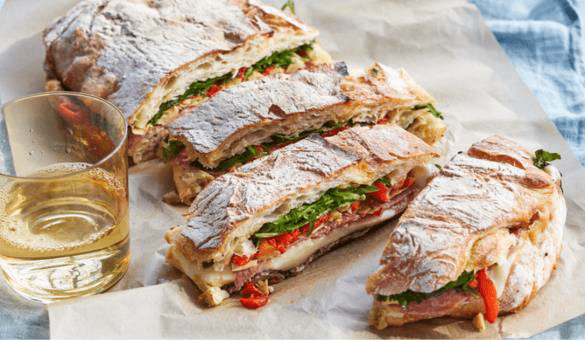
Flora's is a bottle shop, but the sandwiches are the star of the show. These sandwiches are loaded with the perfect mix of ingredients from local vendors, on well-spread and sauced, fresh-baked breads. The aroma of toasted bread and sound of wine corks popping will echo through the spacious bar to the verdant patio—where we have brought your backyard into the city.

Details


Thoughtful design; beer & wine; and a rotating menu


The Venue


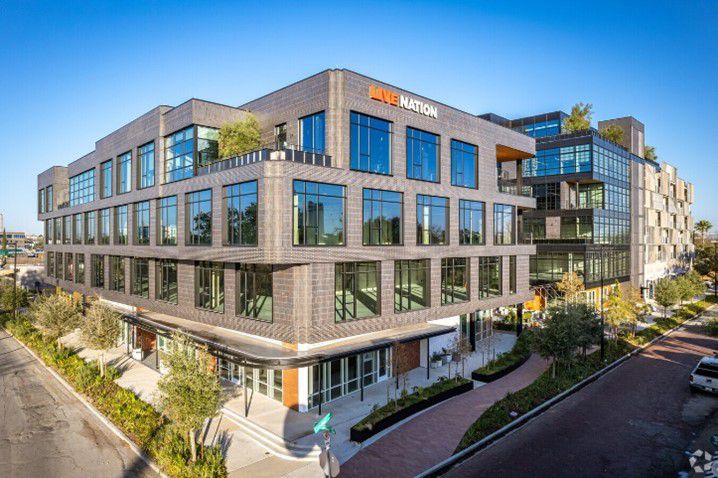
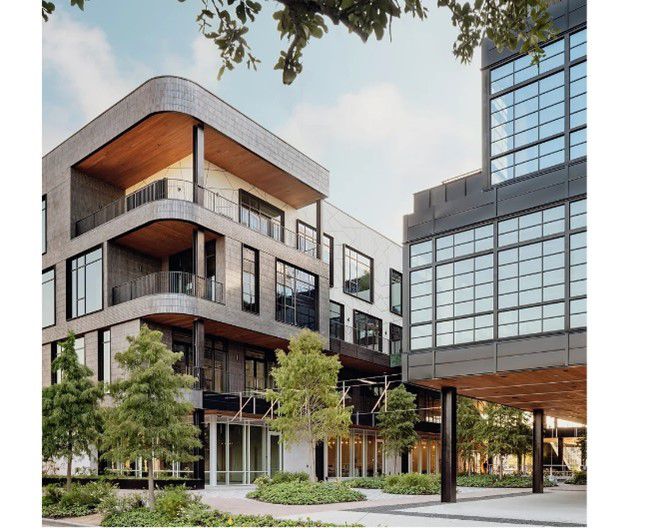
Flora’s Bottle Shop will be located at Montrose Collective, one of the most creative and exciting developments “in the heart of Houston’s most culturally electric neighborhood”. The “activated patios” and green spaces throughout this development are the perfect ingredients to bring home the backyard moment Flora’s aims to create.
The Service


The bottle shop will be open 7 days a week from 11am to 12am, providing a relaxed indoors and backyard experience for all the guests. We will focus on 3 different areas of service: Dine In, Take out and Catering.

The space will be designed for guests to enjoy the appetizers, sandwiches, wine and beer, indoors or in our patio. Private events and reservations are always welcomed. Guests can also purchase bottles or cases of wine and beer to go, along with all our food menu items. Catering will also be available for corporate or personal events.


The Menu


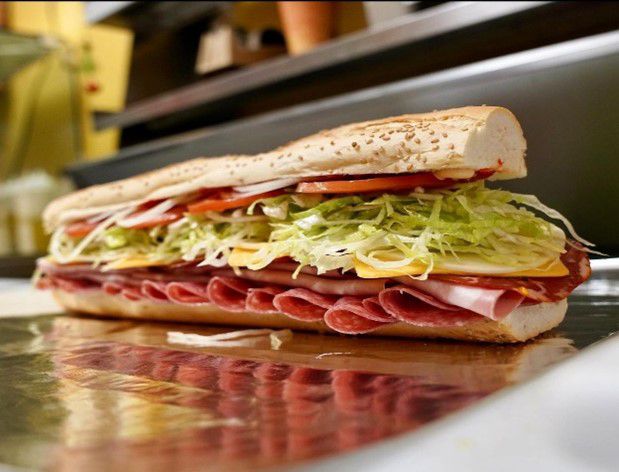
The menu will be ever-evolving. After a 3-month PMIX review, we will identify and keep the staple items and create rotating menu items. Aside from our happy hour and regular menu, we will be serving Brunch on Sunday, with an extensive menu for all tastes. This menu will change every week, allowing us to offer more local products and to keep our Sundays’ options exciting. These items will include brunch boards, egg dishes, pastries, beverage flights, and many more. 

Proposed design


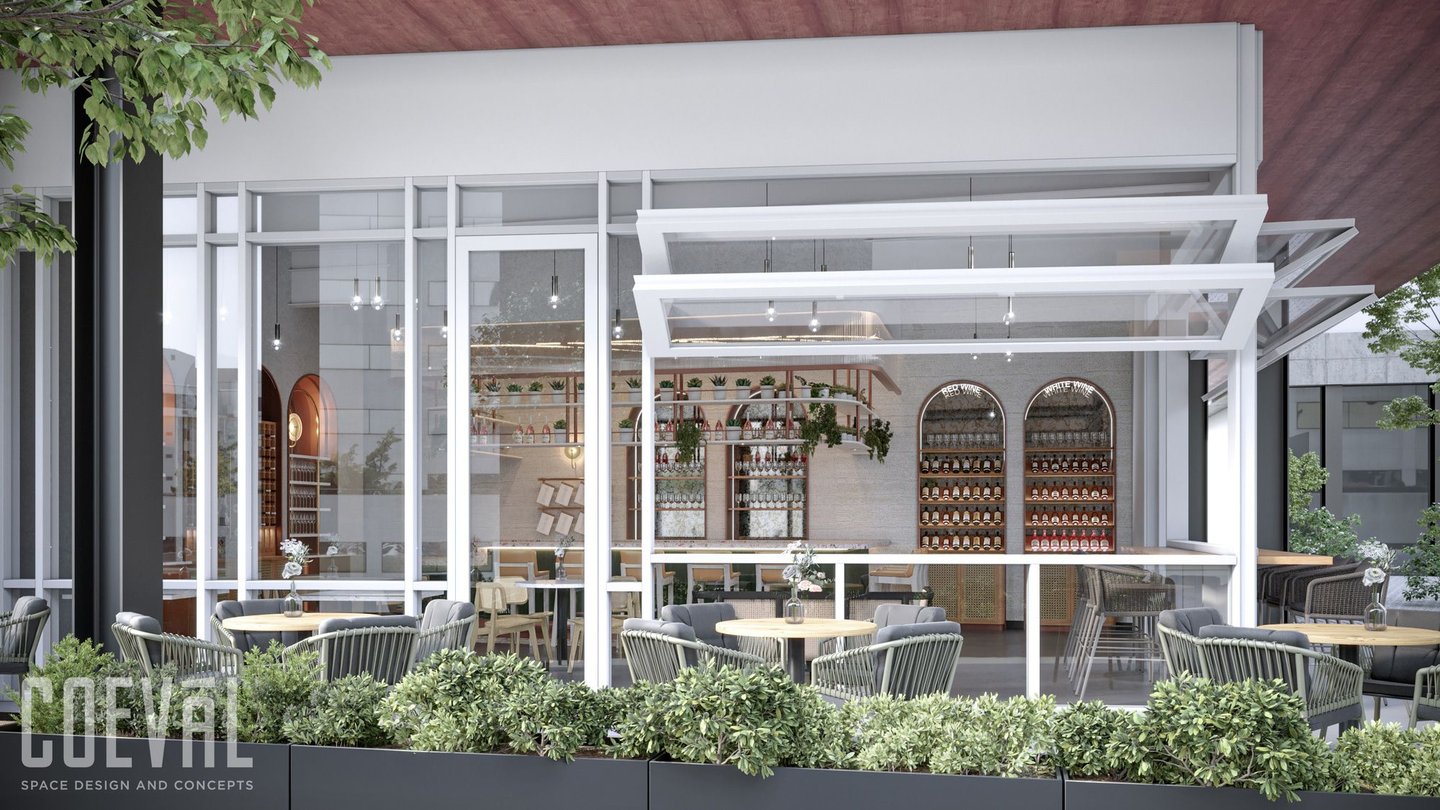
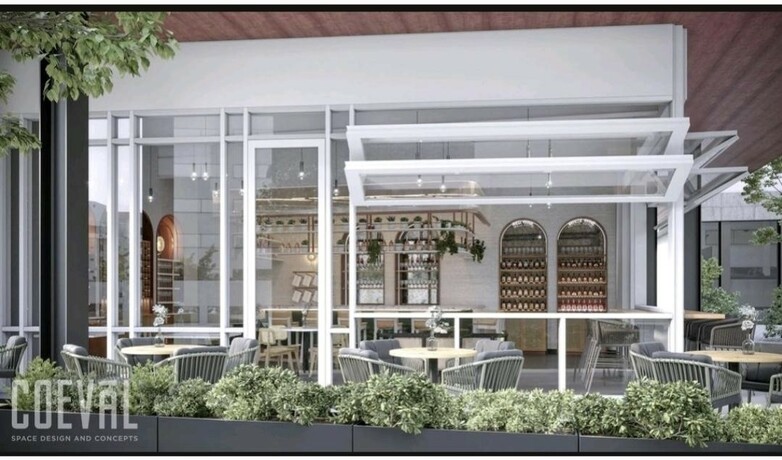
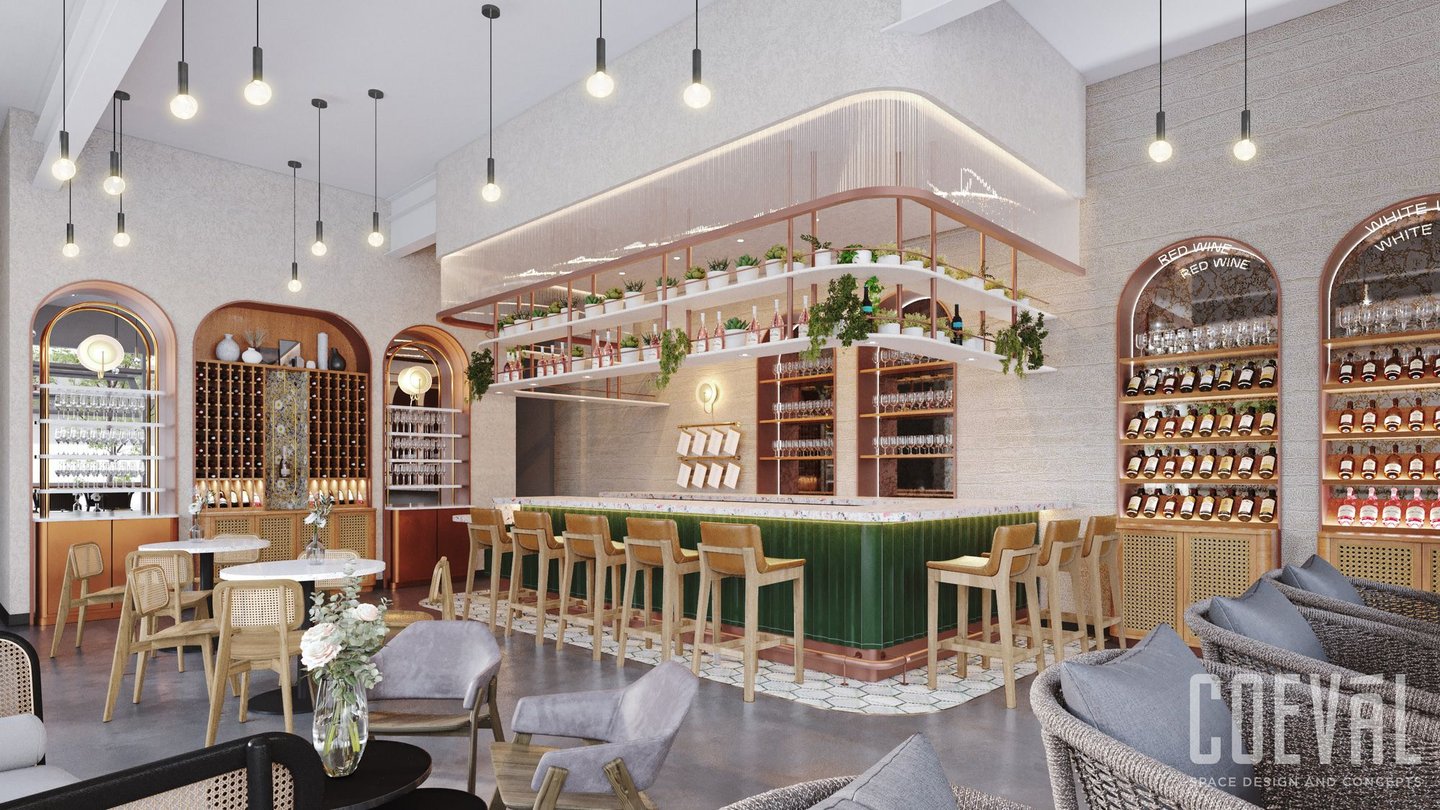
We've carefully planned a new and unique style of restaurant interior design to attract guests and boost profits. Natural light will radiate through a wall of large windows and large glass doors. The bar will be custom-made, with an emerald-green tile base and a terrazzo surface. Unique arched built-in shelves will fill the interior walls and house retail bottles. Earthy materials and wood will fill the center of the restaurant, along with pendant lighting throughout. 
Business model


Taking aim at the casual high end bottle shop market

Flora’s Bottle Shop aims to provide the experience that the few prominent and successful wine bars in Houston have not delivered:

  • Offering higher-end food, wine and beer, with a casual and relaxed atmosphere that allows more reasonable prices on these premium items—which in turn will attract more guests.      
  • Constantly improving the existing food and drink, menus, range, and quality, as well as the atmosphere and ambience.     
  • Increasing penetration of existing markets through enhanced customer service and coordinated marketing efforts and exploring new markets, primarily through marketing strategies and web marketing.

Traction


It's happening!

The location and the lease have been secured, and we have completed our design phase. As of June, we're in the permitting phase with the city of Houston—and are expecting to begin construction by mid July. So far we are on schedule, with our target opening month of December 2022.

Customers


Leveraging an
outstanding location

Flora's immediate target market will be the offices, residents & neighbors within a 2-mile radius.

General target market are active young adults & middle aged adults between the ages of 25 to 50; as well as college-educated, active couples/families with average income range of $120k to $350k plus. 

Being located at Montrose Collective—at the gateway to and from Midtown & Downtown Houston—gives us the opportunity to target a vast range of Happy Hour guests. Our geographical position & our late operating hours also provides us with a large pool of hospitality industry guests, as we are surrounded by restaurants and bars. 

Market


Houston-area households spend 49% of their food dollars away from home

compared to the US average of 43%

Hospitality industry in Houston is one of the most diverse and competitive in the country. Demand for products and services are always high. This, along with a minimal competition in the niche market that Flora’s Bottle Shop is aiming for, gives it a healthy chance to succeed and set itself separate.

The industry suffered immense losses due to Covid-19; however, it re-shaped and restructured itself, partially through adopting new trends due to covid rules and health rules, to meet the demands of the public. We believe that by 2023, the industry, especially in Houston, will go back to its pre-covid state, as well as keeping those new trends (such as higher demand for delivery & catering options). Flora’s will focus on both mentioned service areas.

Unfortunately, many of our restaurant, bars and bistros closed during the pandemic. As sad and unfortunate as this is, it created a vacuum that is being filled by new and exciting concepts, like Flora’s Bottle Shop, to feed the ever-growing demand.  

Competition


The Wine. The Food. The Backyard.

The wine menu is sommelier-designed, yet easy to navigate; the sandwiches are the star of the show; and the open space design creates a relaxing atmosphere with happy vibes!

The old phrase, "location, location, location" can simply be defined by our space at the Montrose Collective. Being “in the heart of Houston’s most culturally electric neighborhood", surrounded by offices, single home residences, apartment complexes & townhomes, bars & restaurants, 50,000+ cars traffic counts per day and a heavy daily foot traffic, Flora's Bottle Shop has all the right ingredients for successful sales and immediate growth. This sets us apart from and ahead of many of our competitors and helps our Marketing campaign to begin with a big launch forward.

Add our mouthwatering sandwiches, ever rotating & exciting wine menu, & the backyard feel of our open design, and Flora's will be set apart from all of the top wine bars in HTX.

Furthermore, Flora's Bottle Shop's catering program will be the plus that none of our competitors are offering. Through this program, we will provide guests the same top of the line experience at the comfort of their homes or their offices. Offering convenience is the additional ingredient that will set us apart from the competition. We expect for this department to be highly profitable.

Vision and strategy


Scaling to $1M+ revenue and multiple locations


Short-Term:


Our short-term goal is to get established within the immediate neighborhood during the first year and to reach the projected sales of $1,000,000 for the first year.*


Long-Term:


Our long-term, 3-year goal is to be established and recognized within the hospitality industry in Houston, as well as becoming a destination for residents outside of our immediate neighborhood. Furthermore, we intend to expand and open our 2nd and 3rd locations, in the City of Houston during the 3rd year and to other markets in Texas during the 4th and 5th year. The sales goal for each location is forecast to reach an average of $1,600,000 annually by the end of the 3rd year.*

*Click here for important information regarding Financial Projections which are not guaranteed.


Use of funds


Flora’s is seeking a total funding of $450k to be used for permitting and licensing, buildout, kitchen equipment and furniture, initial inventory order, staffing, marketing and to set aside reserve cash. Below is a general plan of how the funds will be utilized.  These numbers will be adjusted as the projected enters its construction and pre operation phase.

Buildout & Construction 40%
Furniture & Decoration 7%
Kitchen & Bar Equipment 5%
Operational System 5%
Initial Inventory 10%
Marketing 8%
Initial Staffing 10%
Cash on Hand  15%

Funding


The project has been funded by the ownership personal funds to complete the lease and design phases and has entered its permitting phase.

Founders


With over 10 years of hospitality and foodservice experience, Natalie Navi is proud to deliver the ultimate wine and sandwich experience with Flora’s Bottle Shop and its visionary offering. Inspired by the desire to combine two of her favorite things, Natalie has delivered on a concept that brings sandwiches and wine together in a warm, inviting atmosphere where people could relax and enjoy themselves. 

Hospitality-focused, dedicated to excellence, and passionate are just a few terms often used to describe Natalie. A North Carolina native, she was immersed in hospitality and the foodservice industry from an early age. Her father was an energetic and successful Director of Sales & Catering at a prominent hotel in North Carolina, and kept Natalie engaged in the industry throughout her youth. At home, her family embodied hospitableness and regularly hosted gatherings, where Natalie absorbed the importance of making people feel comfortable and welcomed. These aspects gave her a strong desire to combine that sense of quality and customer service with a neighborhood-oriented ethos.

Natalie went on to build a career in hospitality, working in positions from bartender and server to ultimately the role of general manager at a well-known Italian restaurant in Montrose. Natalie’s entrepreneurship spirit and years of hospitality experience has led her to this moment: Flora’s Bottle Shop, where she aims to create an unforgettable experience. 

Deal terms


Security Instrument
Crowd Revenue Note

Please see our FAQs for more details

Investment Multiple
1.65x

This is the multiple of your original investment that the Issuer has agreed to pay back prior to maturity. The Issuer pays a portion of their gross revenues every quarter until the Investment Multiple is achieved.

Early Payment Provision
Variable

If the Company is prepaying the Total Payment at least 54 months prior to the Maturity Date, the Investment Multiple means 1.6x. If the Company is prepaying the Total Payment at least 48 months prior to the Maturity Date, the Investment Multiple means 1.55x.

Maturity Date
60 months

This is the deadline by which the issuer is obligated to make payment in full to investors.

Revenue Sharing Percentage
11.5%

This is the percentage of gross revenue that is dedicated to paying back investors. Payments will be made to investors quarterly until the total Investment Multiple is reached.

Minimum investment
$350
The smallest investment amount that Flora's Bottle Shop is accepting.
Learn more
Maximum investment
$40K
The largest investment amount that Flora's Bottle Shop is accepting.
Learn more
Funding range
$200K / $400K
0% of $200K minimum offering amount has been reached.

Flora's Bottle Shop needs to raise $200K before the deadline. The maximum amount Flora's Bottle Shop is willing to raise is $400K.
Learn more
Deadline
January 1, 2023
Flora's Bottle Shop needs to reach their minimum funding goal before the deadline (). If they don’t, all investments will be refunded.
Learn more
How it works

Documents

Republic (OpenDeal Portal LLC, CRD #283874) is hosting this Reg CF securities offering by Maramy, LLC. View the official SEC filing and all updates:
Official SEC Logo Form C SEC.gov
Company documents
Crowd Revenue Note Flora's Bottle Shop Form C.pdf

Bonus perks

In addition to your Crowd SDA, you'll receive perks for investing in Flora's Bottle Shop.
Invest
$500
Receive
  • Receive a $50 Gift Card, 1 Free Flora’s T-Shirt, Invite to Soft Opening Event (+1).
Invest
$2,500
Receive
  • Receive a $100 Gift Card, 2 Free Flora’s T-Shirts, Invite to Soft opening Event (+2), 50% off quarterly Wine Education Classes (based on reservation availability).
Invest
$5,000
Receive
  • Receive a $250 Gift Card, 2 Free Flora’s T-Shirts, Invite to Soft opening Event (+2), Invite to Investor’s Annual Holiday event (+1), 50% off quarterly Wine Education Classes (based on reservation availability), Holiday gift 3 bottle basket of wine of choice from the holiday menu.
Invest
$10,000
Receive
  • Receive a $350 Gift Card, 2 Free Flora’s T-Shirts, Invite to Soft opening Event (+2), Invite to Investor’s Annual Holiday event (+1), 50% off quarterly Wine Education Classes (based on reservation availability), Holiday gift 6 bottle case of wine of choice from the holiday menu.

About Flora's Bottle Shop

Legal Name
Maramy, LLC
Founded
Mar 2021
Form
Texas LLC
Employees
0
Website
florasbottleshop.com
Social Media
Headquarters
Google Map location of of Flora's Bottle Shop
2400 McCue Road , Houston, TX
Headquarters
2400 McCue Road, Houston, TX, United States 77056

Flora's Bottle Shop Team
Everyone helping build Flora's Bottle Shop, not limited to employees

Profile picture of Natalie Navi
Natalie Navi
Founder
Natalie Navi
Founder

FAQ

What are the tax implications of investing in a debt offering on Republic?

What are the tax implications of investing in a debt offering on Republic?

Each investor agrees to treat the investment agreements that it invests in on Republic as "debt instruments" (as defined in U.S. Treasury regulations) for U.S. federal income tax purposes. Returns from your debt investments are reported as interest income for the applicable year.  Revenue sharing loans are classified as contingent payment debt instruments, and the calculation is done at the end of the year when all payments for that year have been made.


Please consult your tax advisor if you have additional questions regarding taxes.

Republic does not provide tax, financial or legal advice and this information is not intended to be tax, financial or legal advice. Investors should consult their own financial or tax advisors to determine the tax implications of any potential investment on Republic.

When do payments start for Crowd Term Notes or Crowd Revenue Notes?

When do payments start for Crowd Term Notes or Crowd Revenue Notes?

Please refer to the investment terms and conditions. Many Republic Local investments will have a deferral plan and payments will begin one year after the investment is finalized. 

Once payments begin for term notes, they are typically expected to be paid monthly or quarterly. 

For revenue sharing notes, once the payment period has commenced, payments will start when the business begins generating revenue. This typically occurs after a business has opened to the public. If a business does not have any revenue, then no payments will be made. 

Note that debt securities offered on Republic are not guaranteed or insured and investors may lose some or all of the principal invested subject to an issuer’s ability to fully service the debt and not default.

Will I receive any equity interests or any voting or management rights with a Crowd Term Note or Crowd Revenue Note?

Will I receive any equity interests or any voting or management rights with a Crowd Term Note or Crowd Revenue Note?

Please always refer to the terms and conditions of each offering. Typically you will not receive any equity, voting or management rights in a business from a Crowd Term Note or Crowd Revenue Note on Republic.

What is a Crowd Revenue Note?

What is a Crowd Revenue Note?

A Crowd Revenue Note provides payment flexibility to a business based on its performance, payments made to investors will also vary. If the business performs better than expected, the investors will be paid in a shorter period of time. If the business performs worse than expected, the investors will be paid over a longer period of time. In each case, the cumulative payment amount is fixed, however, the rate of return on investment can fluctuate. As a result, a revenue-sharing note could potentially provide a rate of return similar to an equity investment. The tradeoff is that a revenue-sharing note investor forgoes the predictability of fixed payments that are available in a term note investment.

Still have questions? Check the discussion section.

Risks

We have a limited operating history upon which you can evaluate our performance, and accordingly, our prospects must be considered in light of the risks that any new company encounters.

The Company is still in an early phase and we are just beginning to implement our business plan. There can be no assurance that we will ever operate profitably. The likelihood of our success should be considered in light of the problems, expenses, difficulties, complications and delays usually encountered by early stage companies. The Company may not be successful in attaining the objectives necessary for it to overcome these risks and uncertainties.

Global crises such as COVID-19 can have a significant effect on our business operations and revenue projections.

With shelter-in-place orders and non-essential business closings potentially happening throughout 2022 and into the future due to COVID-19, the Company’s revenue has been adversely affected.

The amount of capital the Company is attempting to raise in this Offering may not be enough to sustain the Company’s current business plan.

In order to achieve the Company’s near and long-term goals, the Company may need to procure funds in addition to the amount raised in the Offering. There is no guarantee the Company will be able to raise such funds on acceptable terms or at all. If we are not able to raise sufficient capital in the future, we may not be able to execute our business plan, our continued operations will be in jeopardy and we may be forced to cease operations and sell or otherwise transfer all or substantially all of our remaining assets, which could cause an Investor to lose all or a portion of their investment.

We may face potential difficulties in obtaining capital.

We may have difficulty raising needed capital in the future as a result of, among other factors, our lack of revenues from sales, as well as the inherent business risks associated with our Company and present and future market conditions. Our business currently does not generate any sales and future sources of revenue may not be sufficient to meet our future capital requirements. We will require additional funds to execute our business strategy and conduct our operations. If adequate funds are unavailable, we may be required to delay, reduce the scope of or eliminate one or more of our research, development or commercialization programs, product launches or marketing efforts, any of which may materially harm our business, financial condition and results of operations.

We may implement new lines of business or offer new products and services within existing lines of business.

As an early-stage company, we may implement new lines of business at any time. There are substantial risks and uncertainties associated with these efforts, particularly in instances where the markets are not fully developed. In developing and marketing new lines of business and/or new products and services, we may invest significant time and resources. Initial timetables for the introduction and development of new lines of business and/or new products or services may not be achieved, and price and profitability targets may not prove feasible. We may not be successful in introducing new products and services in response to industry trends or developments in technology, or those new products may not achieve market acceptance. As a result, we could lose business, be forced to price products and services on less advantageous terms to retain or attract clients or be subject to cost increases. As a result, our business, financial condition or results of operations may be adversely affected.

We rely on other companies to provide components and services for our products.

We depend on suppliers and contractors to meet our contractual obligations to our customers and conduct our operations. Our ability to meet our obligations to our customers may be adversely affected if suppliers or contractors do not provide the agreed-upon supplies or perform the agreed-upon services in compliance with customer requirements and in a timely and cost-effective manner. Likewise, the quality of our products may be adversely impacted if companies to whom we delegate manufacture of major components or subsystems for our products, or from whom we acquire such items, do not provide components which meet required specifications and perform to our and our customers’ expectations. Our suppliers may be unable to quickly recover from natural disasters and other events beyond their control and may be subject to additional risks such as financial problems that limit their ability to conduct their operations. The risk of these adverse effects may be greater in circumstances where we rely on only one or two contractors or suppliers for a particular component. Our products may utilize custom components available from only one source. Continued availability of those components at acceptable prices, or at all, may be affected for any number of reasons, including if those suppliers decide to concentrate on the production of common components instead of components customized to meet our requirements. The supply of components for a new or existing product could be delayed or constrained, or a key manufacturing vendor could delay shipments of completed products to us adversely affecting our business and results of operations.

We rely on various intellectual property rights, including trademarks, in order to operate our business.

The Company relies on certain intellectual property rights to operate its business. The Company’s intellectual property rights may not be sufficiently broad or otherwise may not provide us a significant competitive advantage. In addition, the steps that we have taken to maintain and protect our intellectual property may not prevent it from being challenged, invalidated, circumvented or designed-around, particularly in countries where intellectual property rights are not highly developed or protected. In some circumstances, enforcement may not be available to us because an infringer has a dominant intellectual property position or for other business reasons, or countries may require compulsory licensing of our intellectual property. Our failure to obtain or maintain intellectual property rights that convey competitive advantage, adequately protect our intellectual property or detect or prevent circumvention or unauthorized use of such property, could adversely impact our competitive position and results of operations. We also rely on nondisclosure and noncompetition agreements with employees, consultants and other parties to protect, in part, trade secrets and other proprietary rights. There can be no assurance that these agreements will adequately protect our trade secrets and other proprietary rights and will not be breached, that we will have adequate remedies for any breach, that others will not independently develop substantially equivalent proprietary information or that third parties will not otherwise gain access to our trade secrets or other proprietary rights. As we expand our business, protecting our intellectual property will become increasingly important. The protective steps we have taken may be inadequate to deter our competitors from using our proprietary information. In order to protect or enforce our patent rights, we may be required to initiate litigation against third parties, such as infringement lawsuits. Also, these third parties may assert claims against us with or without provocation. These lawsuits could be expensive, take significant time and could divert management’s attention from other business concerns. The law relating to the scope and validity of claims in the technology field in which we operate is still evolving and, consequently, intellectual property positions in our industry are generally uncertain. We cannot assure you that we will prevail in any of these potential suits or that the damages or other remedies awarded, if any, would be commercially valuable.

The Company’s success depends on the experience and skill of the managers, its executive officers and key employees.

We are dependent on our managers, executive officers and key employees. These persons may not devote their full time and attention to the matters of the Company. The loss of our managers, executive officers and key employees could harm the Company’s business, financial condition, cash flow and results of operations.

Although dependent on certain key personnel, the Company does not have any key person life insurance policies on any such people.

We are dependent on certain key personnel in order to conduct our operations and execute our business plan, however, the Company has not purchased any insurance policies with respect to those individuals in the event of their death or disability. Therefore, if any of these personnel die or become disabled, the Company will not receive any compensation to assist with such person’s absence. The loss of such person could negatively affect the Company and our operations. We have no way to guarantee key personnel will stay with the Company, as many states do not enforce non-competition agreements, and therefore acquiring key man insurance will not ameliorate all of the risk of relying on key personnel.

Damage to our reputation could negatively impact our business, financial condition and results of operations.

Our reputation and the quality of our brand are critical to our business and success in existing markets, and will be critical to our success as we enter new markets. Any incident that erodes consumer loyalty for our brand could significantly reduce its value and damage our business. We may be adversely affected by any negative publicity, regardless of its accuracy. Also, there has been a marked increase in the use of social media platforms and similar devices, including blogs, social media websites and other forms of internet-based communications that provide individuals with access to a broad audience of consumers and other interested persons. The availability of information on social media platforms is virtually immediate as is its impact. Information posted may be adverse to our interests or may be inaccurate, each of which may harm our performance, prospects or business. The harm may be immediate and may disseminate rapidly and broadly, without affording us an opportunity for redress or correction.

Our business could be negatively impacted by cyber security threats, attacks and other disruptions.

We continue to face advanced and persistent attacks on our information infrastructure where we manage and store various proprietary information and sensitive/confidential data relating to our operations. These attacks may include sophisticated malware (viruses, worms, and other malicious software programs) and phishing emails that attack our products or otherwise exploit any security vulnerabilities. These intrusions sometimes may be zero-day malware that are difficult to identify because they are not included in the signature set of commercially available antivirus scanning programs. Experienced computer programmers and hackers may be able to penetrate our network security and misappropriate or compromise our confidential information or that of our customers or other third-parties, create system disruptions, or cause shutdowns. Additionally, sophisticated software and applications that we produce or procure from third-parties may contain defects in design or manufacture, including “bugs” and other problems that could unexpectedly interfere with the operation of the information infrastructure. A disruption, infiltration or failure of our information infrastructure systems or any of our data centers as a result of software or hardware malfunctions, computer viruses, cyber-attacks, employee theft or misuse, power disruptions, natural disasters or accidents could cause breaches of data security, loss of critical data and performance delays, which in turn could adversely affect our business.

Security breaches of confidential customer information, in connection with our electronic processing of credit and debit card transactions, or confidential employee information may adversely affect our business.

Our business requires the collection, transmission and retention of personally identifiable information, in various information technology systems that we maintain and in those maintained by third parties with whom we contract to provide services. The integrity and protection of that data is critical to us. The information, security and privacy requirements imposed by governmental regulation are increasingly demanding. Our systems may not be able to satisfy these changing requirements and customer and employee expectations, or may require significant additional investments or time in order to do so. A breach in the security of our information technology systems or those of our service providers could lead to an interruption in the operation of our systems, resulting in operational inefficiencies and a loss of profits. Additionally, a significant theft, loss or misappropriation of, or access to, customers’ or other proprietary data or other breach of our information technology systems could result in fines, legal claims or proceedings.

The use of individually identifiable data by our business, our business associates and third parties is regulated at the state, federal and international levels.

The regulation of individual data is changing rapidly, and in unpredictable ways. A change in regulation could adversely affect our business, including causing our business model to no longer be viable. Costs associated with information security – such as investment in technology, the costs of compliance with consumer protection laws and costs resulting from consumer fraud – could cause our business and results of operations to suffer materially. Additionally, the success of our online operations depends upon the secure transmission of confidential information over public networks, including the use of cashless payments. The intentional or negligent actions of employees, business associates or third parties may undermine our security measures. As a result, unauthorized parties may obtain access to our data systems and misappropriate confidential data. There can be no assurance that advances in computer capabilities, new discoveries in the field of cryptography or other developments will prevent the compromise of our customer transaction processing capabilities and personal data. If any such compromise of our security or the security of information residing with our business associates or third parties were to occur, it could have a material adverse effect on our reputation, operating results and financial condition. Any compromise of our data security may materially increase the costs we incur to protect against such breaches and could subject us to additional legal risk.

The Company is not subject to Sarbanes-Oxley regulations and may lack the financial controls and procedures of public companies.

The Company may not have the internal control infrastructure that would meet the standards of a public company, including the requirements of the Sarbanes Oxley Act of 2002. As a privately-held (non-public) Company, the Company is currently not subject to the Sarbanes Oxley Act of 2002, and its financial and disclosure controls and procedures reflect its status as a development stage, non-public company. There can be no guarantee that there are no significant deficiencies or material weaknesses in the quality of the Company's financial and disclosure controls and procedures. If it were necessary to implement such financial and disclosure controls and procedures, the cost to the Company of such compliance could be substantial and could have a material adverse effect on the Company’s results of operations.

We operate in a highly regulated environment, and if we are found to be in violation of any of the federal, state, or local laws or regulations applicable to us, our business could suffer.

We are also subject to a wide range of federal, state, and local laws and regulations, such as local licensing requirements, and retail financing, debt collection, consumer protection, environmental, health and safety, creditor, wage-hour, anti-discrimination, whistleblower and other employment practices laws and regulations and we expect these costs to increase going forward. The violation of these or future requirements or laws and regulations could result in administrative, civil, or criminal sanctions against us, which may include fines, a cease and desist order against the subject operations or even revocation or suspension of our license to operate the subject business. As a result, we have incurred and will continue to incur capital and operating expenditures and other costs to comply with these requirements and laws and regulations.

Our primary growth strategy is highly dependent on the availability of our current restaurant location and our ability to develop and open it on a timely basis, on attractive terms.

One of the keys to achieving our growth strategies will be opening and operating restaurants on a profitable basis for the foreseeable future. We may not be able to open our planned restaurant within budget or on a timely basis, if at all, given the uncertainty of these factors, which could adversely affect our business, financial condition and results of operations. Accordingly, we cannot assure you that we will be able to successfully expand as we may not correctly analyze the suitability of our location or anticipate all of the challenges imposed by expanding its operations. Our growth strategy, and the substantial investment associated with the development of our restaurant, may cause our operating results to fluctuate and be unpredictable or adversely affect our profits. In addition, as has happened when other restaurant concepts have tried to expand, we may find that our concept has limited appeal in our selected market or we may experience a decline in the popularity of our concept in the market in which we operate. If we are unable to expand, our ability to increase our revenue and profitability may be materially harmed or we may face losses.

Our restaurant is located in Houston, Texas, and we could be negatively affected by conditions specific to that city.

Adverse changes in demographic, unemployment, economic, regulatory or weather conditions in Houston, Texas, have had, and may continue to have, material adverse effects on our business, financial condition and results of operations. As a result of our concentration in this market, we have been, and in the future may be, disproportionately affected by conditions in this geographic area compared to other chain restaurants with a national footprint.

Our restaurant may not be profitable.

Our experience has been that labor and operating costs associated with a newly opened restaurant for the first several months of operation are materially greater than what can be expected after that time, both in aggregate dollars and as a percentage of restaurant sales. Our restaurant takes a period of time to reach target operating levels due to inefficiencies typically associated with new restaurants, including the training of new personnel, new market learning curves, inability to hire sufficient qualified staff and other factors. We may incur additional costs in our market, particularly for transportation and distribution, which may impact the profitability of our operations. Although we have specific target operating and financial metrics, our restaurant may not meet these targets or may take longer than anticipated to do so. We may not be profitable or achieve operating results similar to those in our projections and that could adversely affect our business, financial condition or results of operations.

We have a limited number of suppliers for our major products and rely on various suppliers for the majority of our domestic distribution needs.

We have a limited number of suppliers. Due to this concentration of suppliers, the cancellation of our supply arrangements with any one of these suppliers or the disruption, delay or inability of these suppliers to deliver these major products to our restaurant may materially and adversely affect our results of operations while we establish alternate distribution channels. In addition, if our suppliers fail to comply with food safety or other laws and regulations, or face allegations of non-compliance, their operations may be disrupted. we cannot assure you that we would be able to find replacement suppliers on commercially reasonable terms or a timely basis, if at all. Although we believe that alternative supply and distribution sources are available, there can be no assurance that we will continue to be able to identify or negotiate with such sources on terms that are commercially reasonable to us. If our suppliers or distributors are unable to fulfill their obligations under their contracts or we are unable to identify alternative sources, we could encounter supply shortages and incur higher costs, each of which could have a material adverse effect on our results of operations.

We depend upon frequent deliveries of food, alcohol and other supplies, which subjects us to the possible risks of shortages, interruptions and price fluctuations.

Our ability to maintain consistent quality throughout our locations depends in part upon our ability to acquire fresh, quality products from reliable sources in accordance with our specifications. We currently purchase our food products from various suppliers. If our suppliers were unable to perform adequately or fail to distribute products or supplies to restaurant, or terminate or refuse to renew any contract with us, this could cause a short-term increase of our costs or cause us to remove certain items from our menu, increase the price of certain offerings or temporarily close a location, which could adversely affect our business and results of operations.

In addition, we purchase beer, wine and spirits from distributors who own the exclusive rights to sell such alcoholic beverage products in the geographic areas in which our locations reside. Our continued ability to purchase certain brands of alcoholic beverages depends upon maintaining our relationships with those distributors, of which there can be no assurance. If any of our alcohol beverage distributors cease to supply us, we may be forced to offer brands of alcoholic beverage which have less consumer appeal or that do not match our brand image, which could adversely affect our business and results of operations.

Incidents involving food safety and food-borne illnesses could adversely affect guests’ perception of our brand, result in lower sales and increase operating costs.

Food safety is a top priority, and we dedicate substantial resources to ensure the safety and quality of the food we serve. Nevertheless, we face food safety risks, including the risk of food-borne illness and food contamination, which are common both in the restaurant industry and the food supply chain and cannot be completely eliminated. We rely on third-party food suppliers and distributors to properly handle, store and transport ingredients to restaurant. Any failure by our suppliers, or their suppliers, could cause ingredients to be contaminated, which may be difficult to detect before the food is served. Additionally, the risk of food-borne illness may also increase whenever our food is served outside of our control, such as by third-party delivery services. Regardless of the source or cause, any report of food-borne illnesses or food safety issues, whether or not accurate, at our restaurant could adversely affect our brand and reputation, which in turn could result in reduced guest traffic and lower sales. If any of our guests become ill from food-borne illnesses, we could be forced to temporarily close one or more restaurants or choose to close as a preventative measure if we suspect there was a pathogen in our restaurant. Furthermore, any instances of food contamination, whether or not at our restaurant, could subject us or our suppliers to voluntary or involuntary food recalls and the costs to conduct such recalls could be significant and could interrupt supply to unaffected restaurants or increase the cost of ingredients.

Increased food commodity and energy costs could decrease our restaurant-level operating profit margins or cause us to limit or otherwise modify our menu, which could adversely affect our business.

Our profitability depends, in part, on our ability to anticipate and react to changes in the price and availability of food commodities, including among other things beef, poultry, grains, dairy and produce. Prices may be affected due to market changes, increased competition, the general risk of inflation, shortages or interruptions in supply due to weather, disease or other conditions beyond our control, or other reasons. For example, COVID-19 pandemic, various domestic and international governmental bodies issued orders, mandates, decrees and directives (collectively, “COVID Orders”) may cause significant supply chain disruptions. This and other events could increase commodity prices or cause shortages that could affect the cost and quality of the items we buy or require us to further raise prices or limit our menu options. These events, combined with other more general economic and demographic conditions, could impact our pricing and negatively affect our restaurant sales and restaurant-level operating profit margins. From time to time, competitive conditions could limit our menu pricing flexibility. There can be no assurance that future cost increases can be offset by increased menu prices or that increased menu prices will be fully absorbed by our guests without any resulting change to their visit frequencies or purchasing patterns. In addition, there can be no assurance that we will generate growth in an amount sufficient to offset inflationary or other cost pressures.

Changes in general economic conditions, including any economic downturn or continuing economic uncertainty, have adversely impacted our business and results of operations in the past and may do so again.

Purchases at our restaurant are discretionary for consumers, and we are, therefore, susceptible to economic slowdowns, including under any further protective measures arising from COVID Orders. We believe that consumers generally are more willing to make discretionary purchases, including upscale and high-end restaurant meals, during favorable economic conditions. The most recent economic downturn, uncertainty and disruptions in the overall economy, including high unemployment, reduced access to credit and increased financial market volatility and unpredictability, and the related reduction in consumer confidence, negatively affected guest traffic and sales throughout our industry, including our category. If the economy experiences a new downturn or there are significant uncertainties regarding U.S. budgetary and fiscal policies, our guests, particularly price-sensitive families and couples and cost-conscious business clientele, may reduce their level of discretionary spending, impacting the frequency with which they choose to dine out or the amount they spend on meals while dining out.

There is also a risk that, if uncertain economic conditions persist for an extended period of time, consumers might make long-lasting changes to their discretionary spending behavior, including dining out less frequently on a more permanent basis. The ability of the U.S. economy to withstand this uncertainty is likely to be affected by many national and international factors that are beyond our control. These factors, including national, regional and local politics and economic conditions, the impact of higher gasoline prices, and reductions in disposable consumer income and consumer confidence, also affect discretionary consumer spending. Uncertainty in or a worsening of the economy, generally or in a number of our markets, and our guests’ reactions to these trends could adversely affect our business and cause us to, among other things, reduce the number and frequency of new restaurant openings, close restaurants and delay our remodeling of existing locations.

Changes in consumer dining preferences and discretionary spending patterns generally could adversely affect our business and results of operations.

The restaurant business is often affected by changes in consumer preferences, national, regional or local economic conditions, demographic trends, traffic patterns and the type, number and location of competing restaurants. Our success depends in part on our ability to anticipate and respond quickly to these changes. Shifts in consumer preferences away from meals at our price point or our beef, seafood and signature cocktails and wine menu offerings, which are significant components of our restaurant’s menus and appeal, whether as a result of economic, competitive or other factors, could adversely affect our business and results of operations.

In addition, we place a high priority on maintaining the competitive positioning of our restaurant, including the image and condition of our restaurant facility and the quality of our guest experience. Consequently, we may need to evolve our restaurant in order to compete with popular new restaurant formats or concepts that emerge from time to time, which could result in significant capital expenditures in the future for remodeling and updating. In addition, with improving product offerings, including an increased number of health-focused options at fast casual restaurants and quick-service restaurants, combined with the effects of uncertain economic conditions and other factors, consumers may choose less expensive alternatives, which could also negatively affect guest traffic at our restaurant. Any unanticipated slowdown in demand at our restaurant due to industry competition may adversely affect our business and results of operations.

Shortages or interruptions in the supply or delivery of food products could adversely affect our operating results.

We are dependent on frequent deliveries of food products that meet our exact specifications. Shortages or interruptions in the supply of food products caused by problems in production or distribution, inclement weather, unanticipated demand or other conditions could adversely affect the availability, quality and cost of ingredients, which would adversely affect our operating results.

We face significant competition for guests, and if we are unable to compete effectively, our business could be adversely affected.

The restaurant industry is intensely competitive with many well-established companies that compete directly and indirectly with us with respect to taste, price, food quality, service, value, design and location. We compete in the restaurant industry with multi-unit national, regional and locally-owned and/or operated limited-service restaurants and full-service restaurants. We compete with (i) restaurants, (ii) other fast casual restaurants, (iii) quick service restaurants and (iv) casual dining restaurants. We may also compete with companies outside of the traditional restaurant industry, such as grocery store chains, meal subscription services and delicatessens, especially those that target customers who seek high-quality food, as well as convenience food stores, cafeterias and other dining outlets. Many of our competitors have existed longer than we have and may have a more established market presence, better locations and greater name recognition nationally or in some of the local markets in which we operate or plan to open restaurants. Some of our competitors may also have significantly greater financial, marketing, personnel and other resources than we do. They may also operate more restaurants than we do and may be able to take advantage of greater economies of scale than we can given our current size. Our competition continues to intensify as new competitors enter the casual dining segments. If we are unable to continue to compete effectively, customer traffic, restaurant sales and restaurant-level operating profit margins could decline and our business, financial condition and results of operations would be adversely affected.

We are subject to risks associated with leasing property subject to long-term non-cancelable leases.

We do not own any real property and our restaurant is located on leased premises. If we close our restaurant, we may still be obligated to perform our monetary obligations under the applicable lease, including, among other things, payment of the base rent for the remaining lease term. In addition, as each of our leases expire, we may fail to negotiate renewals, either on commercially acceptable terms or at all, which could cause us to close our restaurant in desirable locations. We depend on cash flows from operations to pay our lease expenses and to fulfill other cash needs. If our business does not generate sufficient cash flow from operating activities, and sufficient funds are not otherwise available to us from borrowings or other sources, we may not be able to service our lease obligations or fund our other liquidity and capital needs, which would materially affect our business.

The Company has the right to extend the Offering Deadline.

The Company may extend the Offering Deadline beyond what is currently stated herein. This means that your investment may continue to be held in escrow while the Company attempts to raise the Target Offering Amount even after the Offering Deadline stated herein is reached. While you have the right to cancel your investment in the event the Company extends the Offering Deadline, if you choose to reconfirm your investment, your investment will not be accruing interest during this time and will simply be held until such time as the new Offering Deadline is reached without the Company receiving the Target Offering Amount, at which time it will be returned to you without interest or deduction, or the Company receives the Target Offering Amount, at which time it will be released to the Company to be used as set forth herein. Upon or shortly after the release of such funds to the Company, the Securities will be issued and distributed to you.

Our business is subject to risks related to its sale of alcoholic beverages.

Alcoholic beverage control regulations generally require restaurants to apply to a state authority and, in certain locations, county or municipal authorities for a license that must be renewed annually and may be revoked or suspended for cause at any time. Alcoholic beverage control regulations relate to numerous aspects of daily operations of restaurants, including minimum age of patrons and employees, hours of operation, advertising, trade practices, wholesale purchasing, other relationships with alcohol manufacturers, wholesalers and distributors, inventory control and handling, and the storage and dispensing of alcoholic beverages. Any future failure to comply with these regulations and obtain or retain licenses could adversely affect our business, financial condition and results of operations. We are also subject to “dram shop” statutes, which generally provide a person injured by an intoxicated person the right to recover damages from an establishment that wrongfully served alcoholic beverages to the intoxicated person. We carry liquor liability coverage as part of our existing comprehensive general liability insurance. Recent litigation against restaurant chains has resulted in significant judgments and settlements under dram shop statutes. Because these cases often seek punitive damages, which may not be covered by insurance, such litigation could have an adverse impact on our business, results of operations or financial condition. Regardless of whether any claims against us are valid or whether we are liable, claims may be expensive to defend and may divert time and resources away from operations and hurt our financial performance. A judgment significantly in excess of our insurance coverage or not covered by insurance could have a material adverse effect on our business, results of operations or financial condition.

Failure to comply with local licensing, building and zoning regulations could adversely affect our business.

The development and operation of restaurants depend, to a significant extent, on the selection of suitable sites, which are subject to zoning, land use, environmental, traffic and other regulations and requirements. We also are subject to licensing and regulation by state and local authorities relating to health, sanitation, safety, and fire standards. Typically, licenses, permits and approvals under such laws and regulations must be renewed annually and may be revoked, suspended, or denied renewal for cause at any time if governmental authorities determine that our conduct violates applicable regulations. Difficulties or failure to maintain or obtain the required licenses, permits and approvals could adversely affect our existing restaurants and delay or result in our decision to cancel the opening of our restaurant, which would adversely affect our business.

State and federal securities laws are complex, and the Company could potentially be found to have not complied with all relevant state and federal securities law in prior offerings of securities.

The Company has conducted previous offerings of securities and may not have complied with all relevant state and federal securities laws. If a court or regulatory body with the required jurisdiction ever concluded that the Company may have violated state or federal securities laws, any such violation could result in the Company being required to offer rescission rights to investors in such offering. If such investors exercised their rescission rights, the Company would have to pay to such investors an amount of funds equal to the purchase price paid by such investors plus interest from the date of any such purchase. No assurances can be given the Company will, if it is required to offer such investors a rescission right, have sufficient funds to pay the prior investors the amounts required or that proceeds from this Offering would not be used to pay such amounts.

In addition, if the Company violated federal or state securities laws in connection with a prior offering and/or sale of its securities, federal or state regulators could bring an enforcement, regulatory and/or other legal action against the Company which, among other things, could result in the Company having to pay substantial fines and be prohibited from selling securities in the future.

The U.S. Securities and Exchange Commission does not pass upon the merits of the Securities or the terms of the Offering, nor does it pass upon the accuracy or completeness of any Offering document or literature.

You should not rely on the fact that our Form C is accessible through the U.S. Securities and Exchange Commission’s EDGAR filing system as an approval, endorsement or guarantee of compliance as it relates to this Offering. The U.S. Securities and Exchange Commission has not reviewed this Form C, nor any document or literature related to this Offering.

Neither the Offering nor the Securities have been registered under federal or state securities laws.

No governmental agency has reviewed or passed upon this Offering or the Securities. Neither the Offering nor the Securities have been registered under federal or state securities laws. Investors will not receive any of the benefits available in registered offerings, which may include access to quarterly and annual financial statements that have been audited by an independent accounting firm. Investors must therefore assess the adequacy of disclosure and the fairness of the terms of this Offering based on the information provided in this Form C and the accompanying exhibits.

The Company's management may have broad discretion in how the Company uses the net proceeds of the Offering.

Unless the Company has agreed to a specific use of the proceeds from the Offering, the Company’s management will have considerable discretion over the use of proceeds from the Offering. You may not have the opportunity, as part of your investment decision, to assess whether the proceeds are being used appropriately.

The Company has the right to limit individual Investor commitment amounts based on the Company’s determination of an Investor’s sophistication.

The Company may prevent any Investor from committing more than a certain amount in this Offering based on the Company’s determination of the Investor’s sophistication and ability to assume the risk of the investment. This means that your desired investment amount may be limited or lowered based solely on the Company’s determination and not in line with relevant investment limits set forth by the Regulation CF rules. This also means that other Investors may receive larger allocations of the Offering based solely on the Company’s determination.

The Company may also end the Offering early.

If the Target Offering Amount is met after 21 calendar days, but before the Offering Deadline, the Company can end the Offering by providing notice to Investors at least 5 business days prior to the end of the Offering. This means your failure to participate in the Offering in a timely manner, may prevent you from being able to invest in this Offering – it also means the Company may limit the amount of capital it can raise during the Offering by ending the Offering early.

The Securities will not be freely tradable under the Securities Act until one year from the initial purchase date. Although the Securities may be tradable under federal securities law, state securities regulations may apply, and each Investor should consult with their attorney.

You should be aware of the long-term nature of this investment. There is not now and likely will not ever be a public market for the Securities. Because the Securities have not been registered under the Securities Act or under the securities laws of any state or foreign jurisdiction, the Securities have transfer restrictions and cannot be resold in the United States except pursuant to Rule 501 of Regulation CF. It is not currently contemplated that registration under the Securities Act or other securities laws will be effected. Limitations on the transfer of the Securities may also adversely affect the price that you might be able to obtain for the Securities in a private sale. Investors should be aware of the long-term nature of their investment in the Company. Each Investor in this Offering will be required to represent that they are purchasing the Securities for their own account, for investment purposes and not with a view to resale or distribution thereof.

Investors will not become equity holders of the Company.

Investors will not have an ownership claim to the Company or to any of its assets In certain instances, such as a sale of the Company or substantially all of its assets, an initial public offering or a dissolution or bankruptcy, the Investors may only have a right to receive cash, to the extent available.

Investors will not have voting rights.

Investors will not have the right to vote upon matters of the Company. Thus, Investors will never be able to vote upon any matters of the Company to affect its management or policies.

Investors will not be entitled to any inspection or information rights other than those required by law.

Investors will not have the right to inspect the books and records of the Company or to receive financial or other information from the Company, other than as required by law. Other security holders of the Company may have such rights. Regulation CF requires only the provision of an annual report on Form C and no additional information. Additionally, there are numerous methods by which the Company can terminate annual report obligations, resulting in no information rights, contractual, statutory or otherwise, owed to Investors. This lack of information could put Investors at a disadvantage in general and with respect to other security holders, including certain security holders who have rights to periodic financial statements and updates from the Company such as quarterly unaudited financials, annual projections and budgets, and monthly progress reports, among other things.

A Crowd Revenue Note holder may lose their right to any appreciation or return on investment due to defaulting on certain notice and require action requirements in such Crowd Revenue Note; failure to claim cash set aside in this case may result in a total loss of principal.

The Crowd Revenue Note offered requires a holder to complete, execute and deliver any reasonable or necessary information and documentation requested by the Company or the Intermediary in order to effect the conversion or termination of the Crowd Revenue Note, in connection with an Equity Financing or Liquidity Event, within thirty (30) calendar days of receipt of notice (whether actual or constructive) from the Company. Failure to make a timely action may result in the Company declaring that the Investor is only eligible to receive a cash payment equal to their Purchase Amount (or a lesser amount in certain events). While the Company will set aside such payment for the investor, such payment may be subject to escheatment laws, resulting in a total loss of principal if the Investor never claims their payment.

There is no present market for the Securities and we have arbitrarily set the price.

The Offering price was not established in a competitive market. We have arbitrarily set the price of the Securities with reference to the general status of the securities market and other relevant factors. The Offering price for the Securities should not be considered an indication of the actual value of the Securities and is not based on our asset value, net worth, revenues or other established criteria of value. We cannot guarantee that the Securities can be resold at the Offering price or at any other price.

Debt Financing is inherently risky.

The Company’s debt service obligations may adversely affect cash flow. As a result of any future debt obligations, we may be subject to: (i) the risk that cash flow from operations will be insufficient to meet required payments of principal and interest, (ii) restrictive covenants, including covenants relating to certain financial ratios, and (iii) interest rate risk.

There is no guarantee of a return on an Investor’s investment.

There is no assurance that an Investor will realize a return on their investment or that they will not lose their entire investment. For this reason, each Investor should read this Form C and all exhibits carefully and should consult with their attorney and business advisor prior to making any investment decision.

Show all Risks

Discussion

Ask questions and share feedback with the Flora's Bottle Shop team below. If you have support related questions for Republic, please contact investors@republic.co.
Loading
Logo of Flora's Bottle Shop

Flora's Bottle Shop

Invest in Flora's Bottle Shop
Republic

Giving everyone access to early-stage startup investing

For investors
  • Why invest
  • How it works
  • FAQ
  • Risks
  • Privacy policy
  • Accessibility
  • Cookie Preferences
  • Form CRS
For startups
  • Why raise
  • Learn
  • FAQ
  • Tokenized assets
Company
  • About
  • Insights
  • Events
  • Contact
  • Security
  • We're hiring!
Dollar Refer a startup, get $2,500

Invest in the app

Android app iOS app

Invest in the app

Android app iOS app

This site (the "Site") is owned and maintained by OpenDeal Inc., which is not a registered broker-dealer. OpenDeal Inc. does not give investment advice, endorsement, analysis or recommendations with respect to any securities. All securities listed here are being offered by, and all information included on this Site is the responsibility of, the applicable issuer of such securities. The intermediary facilitating the offering will be identified in such offering’s documentation.

All related securities activity is conducted by OpenDeal Broker LLC a registered broker-dealer, Member of FINRA and SiPC, an affiliate of OpenDeal Inc. and OpenDeal Portal LLC, located at 149 5th Avenue, 10th Floor, New York, NY 10010. Please check our background on FINRA’s BrokerCheck.

Certain pages discussing the mechanics and providing educational materials regarding regulation crowdfunding offerings may refer to OpenDeal Broker LLC and OpenDeal Portal LLC collectively as “Republic”, solely for explanatory purposes.

Neither OpenDeal Inc., OpenDeal Portal LLC nor OpenDeal Broker LLC make investment recommendations and no communication, through this Site, or in any other medium, should be construed as a recommendation for any security offered on or off this investment platform. Investment opportunities posted on this Site are private placements of securities that are not publicly traded, involve a high degree of risk, may lose value including the total loss of invested capital, are subject to holding period requirements and are intended for investors who do not need a liquid investment. Past performance is not indicative of future results. Investors must be able to afford the loss of their entire investment. Only qualified investors, who understand the risks of early-stage investment and who meet the Republic's investment criteria may invest. Investors may be restricted to only Accredited Investors or non-U.S. persons, to invest in offerings hosted by OpenDeal Broker. Neither OpenDeal Inc., OpenDeal Portal LLC nor OpenDeal Broker LLC, nor any of their officers, directors, agents and employees make any warranty, express or implied, of any kind whatsoever related to the adequacy, accuracy or completeness of any information on this Site or the use of information on this site. Offers to sell securities can only be made through official offering documents that contain important information about the investment and the issuers, including risks. Investors should carefully read the offering documents. Investors should conduct their own due diligence and are encouraged to consult with their tax, legal and financial advisors.

By accessing the Site and any pages thereof, you agree to be bound by the Terms of Use and Privacy Policy. Please also see OpenDeal Broker’s Business Continuity Plan and Additional Risk Disclosures. All issuers offering securities under regulation crowdfunding as hosted by OpenDeal Portal LLC are listed on the All Companies Page. The inclusion or exclusion of an issuer on the Platform Page and/or Republic’s Homepage, which includes offerings conducted under regulation crowdfunding as well as other exemptions from registration, is not based upon any endorsement or recommendation by OpenDeal Inc, OpenDeal Portal LLC, or OpenDeal Broker LLC, nor any of their affiliates, officers, directors, agents, and employees. Rather, issuers of securities may, in their sole discretion, opt-out of being listed on the Platform Page and Homepage.

Investors should verify any issuer information they consider important before making an investment.

Investments in private companies are particularly risky and may result in total loss of invested capital. Past performance of a security or a company does not guarantee future results or returns. Only investors who understand the risks of early stage investment and who meet the Republic's investment criteria may invest.

Neither OpenDeal Inc., OpenDeal Portal LLC nor OpenDeal Broker LLC verify information provided by companies on this Site and makes no assurance as to the completeness or accuracy of any such information. Additional information about companies fundraising on the Site can be found by searching the EDGAR database, or the offering documentation located on the Site when the offering does not require an EDGAR filing.

To help the government fight the funding of terrorism and money laundering activities, Federal law requires all financial institutions to obtain, verify, and record information that identifies each person who opens an account. Therefore, when you use the Services we will ask for your name, address, date of birth, and other information that will allow us to identify you. We may also ask to see your driver's license, passport or other identifying documents.

Republic and its affiliates are not and do not operate or act as a bank. Certain banking services are provided by BitGo Trust Company, a South Dakota-chartered trust company and registered money services business. BitGo Trust Company is not an FDIC member. Digital (crypto) assets and investment products are not insured by the FDIC, may lose value, and are not deposits or other obligations of BitGo Trust Company and are not guaranteed by BitGo Trust Company. Terms and conditions apply.

Invest in startups using your credit card
You can invest using your credit card

Made in SF/NYC