


 Oops! We couldn’t find any results...
Accredited deals
What is a digital asset?
Digital assets are non-tangible assets that are created, issued, traded, and stored in a digital format. In the context of digital assets on a blockchain, digital assets include but are not limited to cryptocurrencies and crypto tokens.
Various features can be implemented into digital assets that Republic offers, so make sure to reference the offering materials, such as the PPM and white paper to learn more.
What is a token or digital asset?
Tokens or digital assets, also known as crypto tokens, are units of value that represent an asset or provide unique utility within its native blockchain network. While they often share properties and compatibility of the native cryptocurrencies of that network, they are regarded as an entirely separate digital asset class.
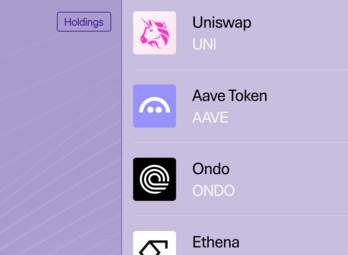
While cryptocurrencies are the native asset of a blockchain network, tokens are created by organizations and individuals on top of the blockchain. For example, the Ethereum blockchain's native token is ether (ETH), but other existing tokens on the Ethereum blockchain exist to provide unique functionality. Other Ethereum tokens include DAI (Dai, a stablecoin created by MakerDao), UNI (Uniswap, a swappable token created by Uniswap), and AXS (Axie Infinity, a governance token created by Axie Infinity). These tokens can facilitate participation in decentralized finance (DeFi), governance of the network, access to platform-specific features and services, participation in games, and much more. There are a variety of token standards that enable interoperability within a given blockchain. For example, within the Ethereum network, the most widely used token standard is the ERC-20 standard, which allows the creation of interoperable tokens with the rest of the Ethereum ecosystem and applications. There are also various archetypes of tokens, including asset-backed tokens, non-fungible tokens (NFTs), digital currencies, utility tokens, governance tokens, security tokens, and much more. Depending on the token and its respective native blockchain, there are a variety of features that can include, but are not limited to:
- Lock-ups and vesting schedules that enforce periods in which the token may not be sold or transferred;
- Transfer restrictions that prohibit the transfer of the token to specific addresses;
- Collateralization against other existing assets;
- Staking and staking rewards;
- Voting power within a network;
- And fungibility and non-fungibility (NFTs);
A token's features are enabled by the software protocols, typically composed of smart contracts, that dictate the characteristics and function of the token within the blockchain network's rules. A smart contract is a programmable, self-executing contract with the terms of the transactional agreement between two or more parties. This enables smart contracts to commit trustless transactions to self-execute among disparate participants, typically without the need for a central authority or external enforcement system. As the blockchain industry continues to evolve, the number of unique tokens and functionality will continue to grow and change to meet the needs of the blockchain ecosystem. This also means that regulations around tokens will continue to evolve, so it is essential to be aware of these changes as they shape the ecosystem landscape over time. As new cryptocurrencies and tokens emerge, these new forms of digital assets will likely have a tremendous and long-lasting impact on how many industries operate, generate economic value, and transform our social ecosystem.
What is a cryptocurrency?
The blockchain asset most people are familiar with are cryptocurrencies; which are frequently used as a fiat alternative.
Cryptocurrencies are a subclass of digital assets that utilize advanced encryption techniques that ensure the crypto asset's authenticity. This cryptography prevents the possibility of counterfeiting and double-spending the crypto asset, among a variety of other security features.Cryptocurrencies typically serve as a medium of exchange or store of value for a specific blockchain network. For example, Bitcoin (BTC) is a cryptocurrency of the Bitcoin blockchain network. Depending on the cryptocurrency and its respective native blockchain, there are a variety of features that can include, but are not limited to:
- Cryptography to secure the network and preserve user anonymity;
- Decentralization to reduce or remove the need for a centralized issuing or managing entity;
- And the programmability of behavior, through features like smart contracts, enforces the system's rules in an automated, trustless fashion.