


 Oops! We couldn’t find any results...



The Opportunity
A non-pharmacological approach to a devastating disease
Approximately 34,000 Americans are living with amyotrophic lateral sclerosis or ALS (Lou Gehrig’s disease), a progressive and fatal neurodegenerative disease that attacks the nerve cells (motor neurons) responsible for controlling voluntary muscles. This patient population in the U.S. is projected to increase to over 36,000 cases by 2030.
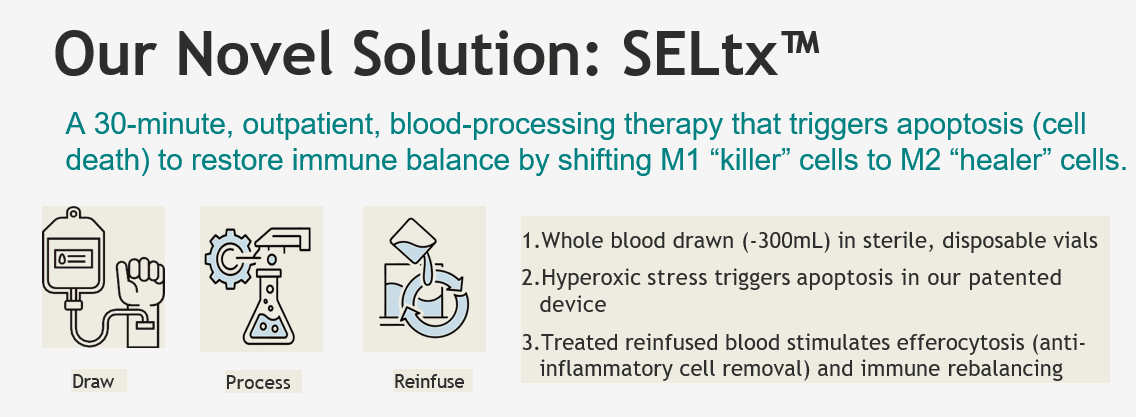
HOPE-Neuron is creating a novel, non-pharmacological treatment for ALS. The company's SELtx™ medical device enabled process conditions a patient’s blood to “reset” their immune system. Blood is drawn, activated via mechanotransduction and controlled hyperoxia, and reinfused into the patient to reprogram the immune system without drugs or stem cells.
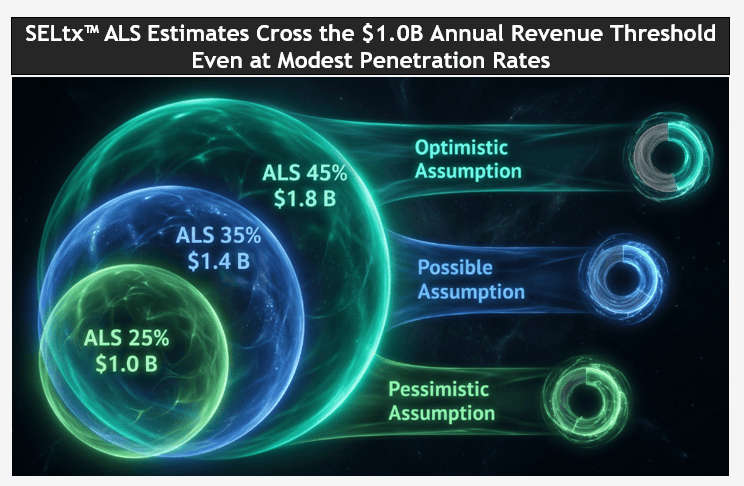
HOPE-Neuron is projecting annual treatment costs (per patient) of $120,000 for three sessions. Under the current revenue-sharing model, the company is aiming for $1.8 billion in revenue by 2028. These figures do not include international markets, where the ALS population now exceeds 200,000 patients.
HOPE-Neuron's closest comp in terms of potential global market is the leading ALS drug Radicava. In December 2025 Shionogi (Japan) paid $2.5 billion for the global rights to Radicava, which is expected to generate close to $700 million in annual global sales in 2026.
HOPE-Neuron is protected by patents across multiple countries. Because SELtx™ is a device-based platform rather than a drug, it could potentially be expanded to other neurodegenerative diseases like Alzheimer’s and Parkinson’s that share similar immune dysfunction patterns.
How It Works
One half-hour session 3x per year
The SELtx™ treatment takes about 30 minutes in a point-of-care outpatient setting. The clinician draws blood, (300 ml - ~1.5 cups), exposes it to high oxygen levels and mechanical stress to trigger a specific cellular response, then returns the conditioned blood to the patient.
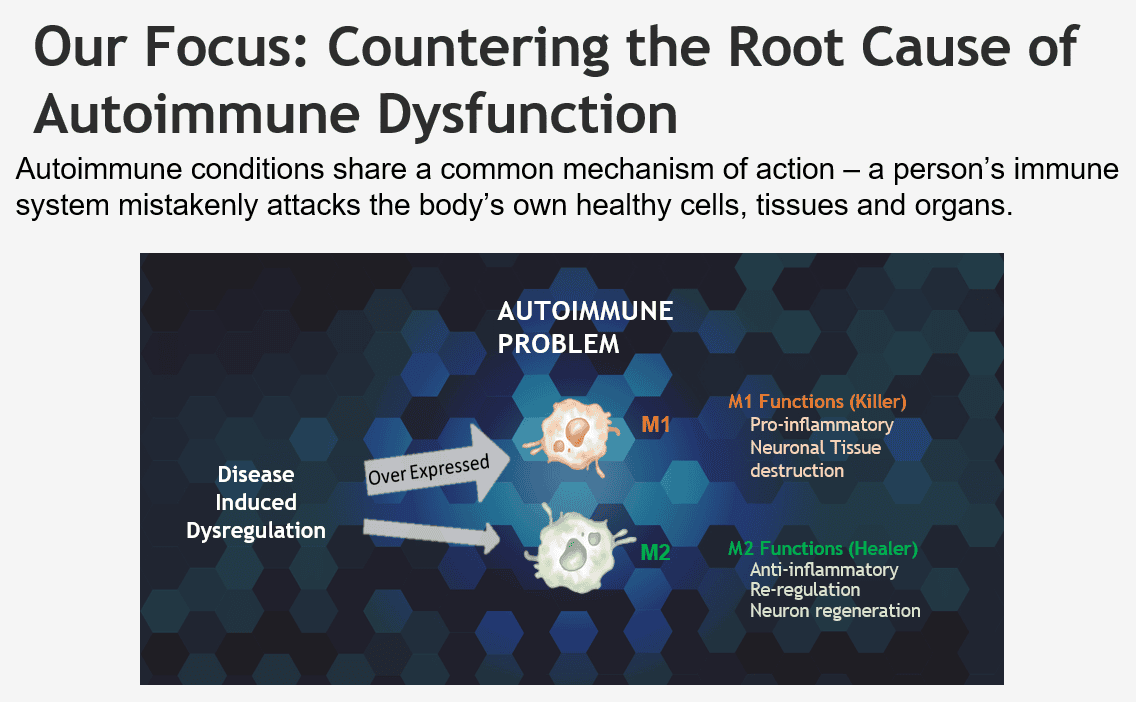
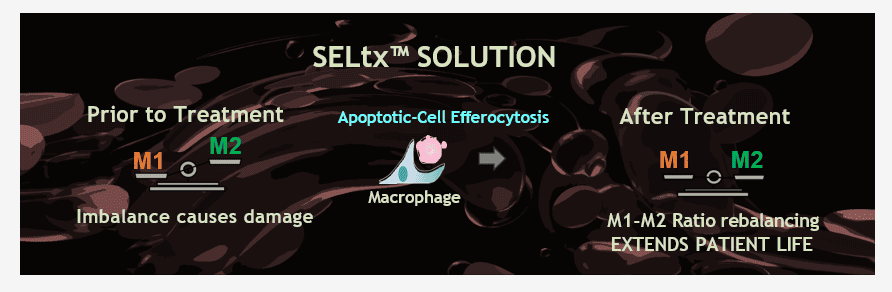
This process shifts the body’s immune cells from “attack mode” (M1 macrophages) to “healing mode” (M2 macrophages), addressing what is believed to be a root cause of motor function deterioration under ALS.
Why It Matters
ALS patients 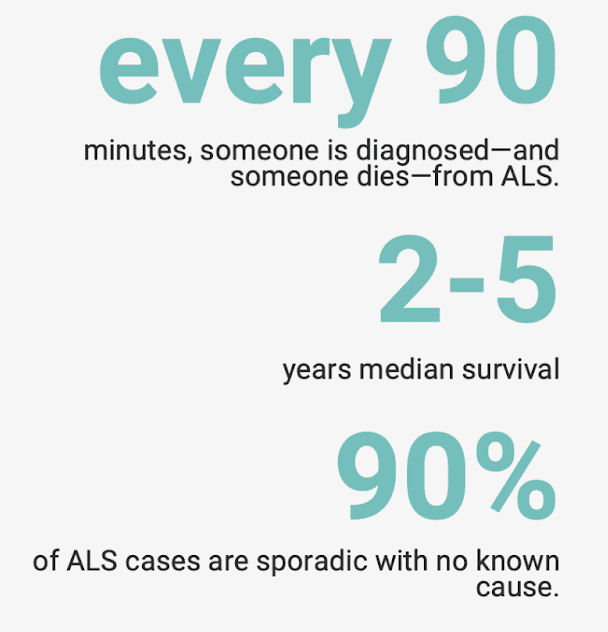 feel “trapped in their bodies”
ALS is a devastating disease with limited treatment options. Patients experience a progressive loss of physical control while their minds typically remain intact. The disease systematically robs people of their ability to perform basic functions like walking, speaking, eating and eventually breathing. Many patients describe the psychological torment of being "trapped" inside a body that no longer responds.
Treated Untreated Treated Untreated Treated
To test the effectiveness of SELtx™, HOPE-Neuron conducted a proof-of-concept study at the Indiana University School of Medicine using human ALS gene-transfected mice. While untreated ALS mice continued to deteriorate, SELtx™-treated mice exhibited behavioral, motor function and survival characteristics that induced neuroprotection and a reduction in ALS development.
If this translates to humans, it would be transformative for a disease where researchers have spent over $2 billion failing to find effective solutions. Importantly, funds from this Reg CF could enable HOPE-Neuron to produce human trial results in less than a year after funding.
Traction
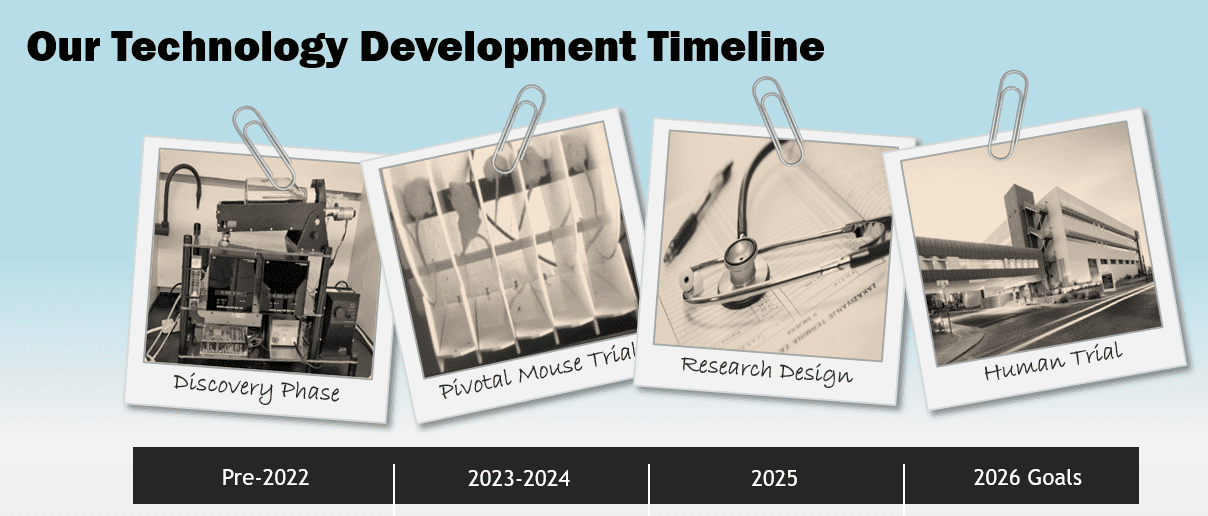
HOPE-Neuron has made measurable progress advancing its immune-reset platform from discovery through preclinical validation and toward clinical execution.
Scientific & Technical Milestones
Developed and fabricated the first-generation SELtx™ device (v1.0)
Established the Apoptogenic Immune Modulation (AIM®) platform
Demonstrated preserved motor function and significant M1→M2 immune shift in ALS transgenic mouse models (p < 0.008)
Confirmed immune rebalancing through preclinical testing (2023–2024)
Clinical & Academic Validation
Secured research collaborations with leading academic medical institutions, including Indiana University School of Medicine and Barrow Neurological Institute
Identified clinical partners for first-in-human ALS trial planning
Designed preclinical-to-human study pathway with research partners
Intellectual Property & Platform Readiness
Multiple issued and pending patents across the U.S. and international jurisdictions
Proprietary gas–fluid contact reactor and mechanotransduction process
Platform designed for scalable, outpatient clinical deployment
Momentum Toward Clinical Trials
Human trial design underway
Device optimization and regulatory preparation in progress
Initiation of an IRB first-in-human ALS study with the Reg-CF funding targeting FDA commercial approval
Links to supporting materials, scientific visuals, and platform overview are available on the company website, in the investor presentation and below:
Customers
HOPE-Neuron is not yet commercialized and does not currently generate revenue. At this stage, the company’s focus is on clinical validation, regulatory preparation, and platform readiness. There are currently 101 ALS Certified and Recognized Treatment Centers and Clinics in the U.S. that could become host sites for our therapy.
The initial customers for the SELtx™ platform are expected to be:
Academic medical centers
Neurology and specialty clinics
Hospital systems and research institutions
HOPE-Neuron has established research collaborations and clinical planning relationships with leading academic institutions to support preclinical validation and human trials. These partnerships inform clinical design, deployment strategy, and future commercial adoption.
Commercial rollout is planned following regulatory clearance, with a treatment-based partnership model designed for scalable institutional adoption.
Business model
$120,000 per patient per year
HOPE-Neuron plans to team with large, established partners for commercialization, with a three-way revenue split expected for each treatment. When a patient receives the therapy, the annual revenue distribution is estimated to be as follows:
HOPE Neuron keeps 40% of the fee
Medical provider (hospital or clinic) gets 35%
Distributor takes 25%
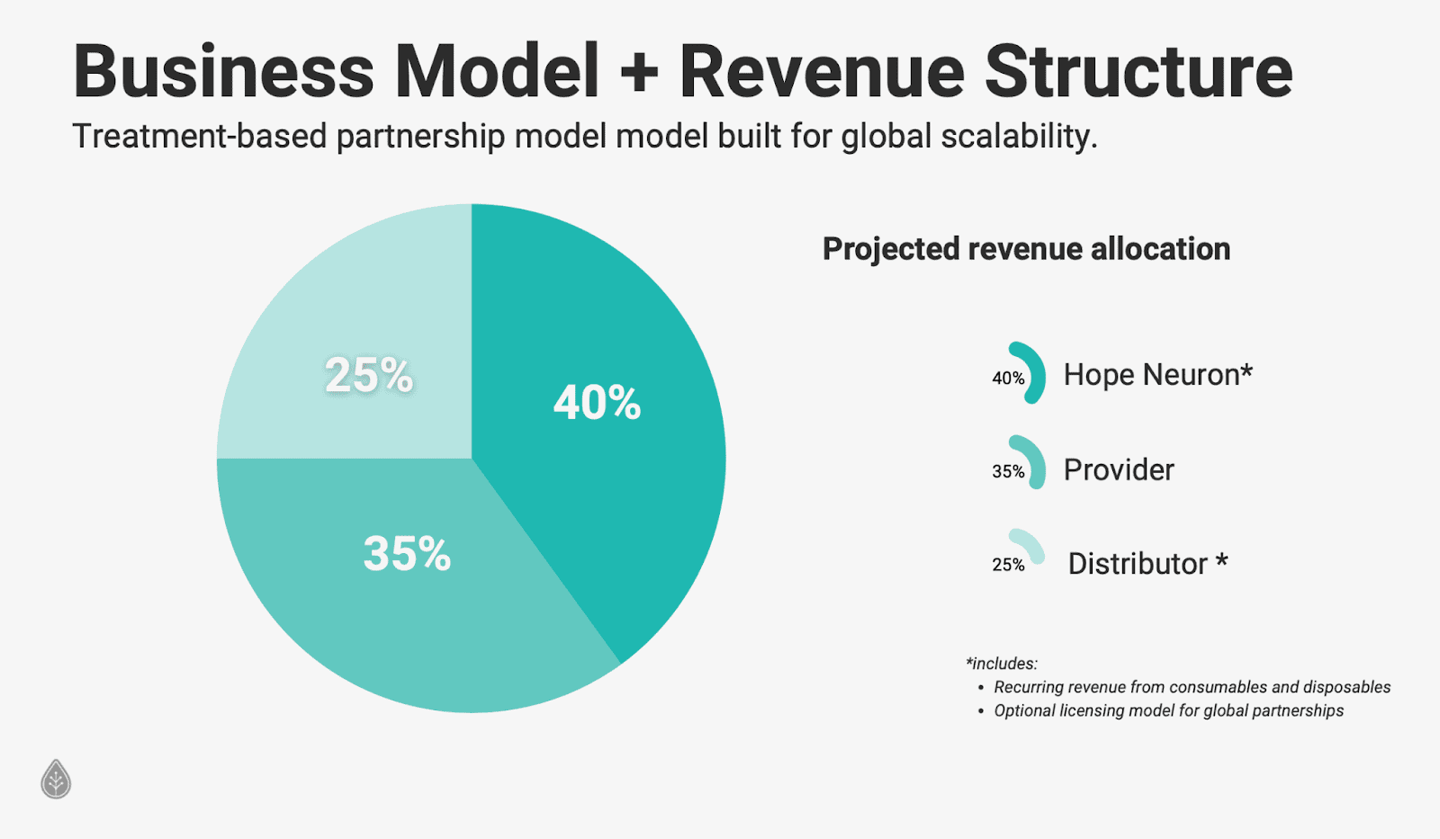
HOPE-Neuron is estimating each treatment will cost around $40,000, with patients needing three treatments per year, totaling $120,000 annually per patient. The company also expects recurring revenue from selling disposable supplies; and licensing opportunities (particularly in international markets).
It should be noted that this is not a device/disposables-dependent revenue model, as the majority of revenue is expected to come (at scale) from therapeutic sessions. A key element to the business plan is that the device design will allow HOPE-Neuron to address multiple disease states using the same core equipment. Accordingly, the current strategy can be characterized as a scalable recurring revenue model with the potential for high, top-quartile gross margins of 80% or more.
Roadmap
FDA approval submission slated for this year
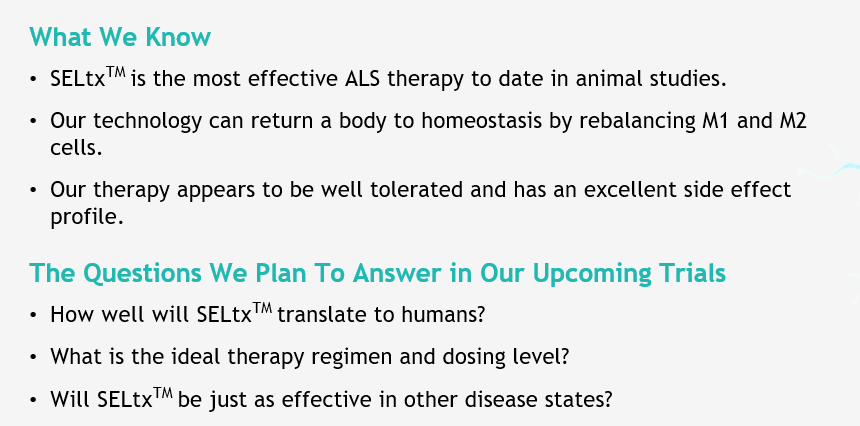
HOPE-Neuron has completed early proof-of-concept studies in mice and is now taking steps to seek FDA approval with completion of the planned IRB human ALS trial. Use of proceeds from this offering will also be used to build next generation SELtx™ units to support human trials at multiple locations.
The company is working with partner institutions in its goal toward human trials, including nonprofit health system Banner Health (the largest employer in Arizona); Barrow Neurological Institute, one of the world’s largest neurological disease treatment and research institutions; and Indiana University School of Medicine. HOPE-Neuron's aim is to begin human trials this year (2026), in conjunction with establishing additional partnerships to support commercialization.
Management is targeting FDA submission by the end of 2026, which would then open the door to commercialization. Because HOPE-Neuron's technology works on the cellular level, the company believes that SELtx™ may have a therapeutic benefit for a number of neurodegenerative diseases (including Alzheimer’s), in addition to other conditions where immune dysregulation has a negative effect on patient health.
Leadership
Driven by medical veterans and regulatory compliance experts
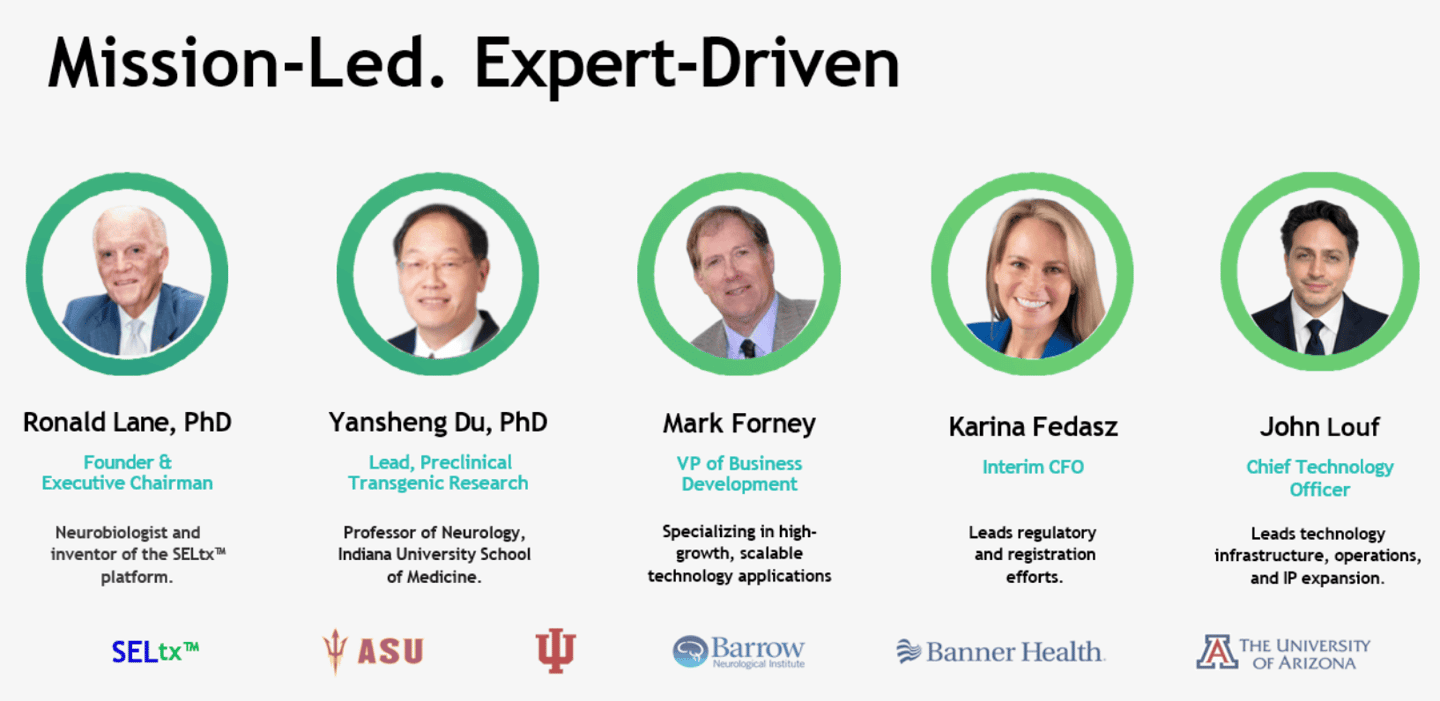
HOPE-Neuron is led by Dr. Ronald Lane, a neurobiologist who invented the SELtx™ platform. The scientific research is headed by Dr. Yansheng Du, a Professor of Neurology at Indiana University School of Medicine, who is leading the preclinical transgenic mouse studies. Interim CFO Karina Fedasz handles regulatory and registration efforts, crucial for navigating FDA approval processes. Mark Forney, VP of Business Development, focuses on high-growth, scalable technology applications and partnerships. John Louf brings a background in Electrical and Computer Engineering, IT, and AI, along with Fortune 100 experience.
Vision and strategy
HOPE-Neuron’s long-term vision is to become the leading non-drug, immune-reset platform for neurodegenerative disease, beginning with ALS and expanding into Alzheimer’s and other immune-driven neurodegenerative conditions.
Our strategy is to address root-cause immune dysfunction mechanisms rather than symptom suppression, using a scalable, outpatient, device-enabled therapy that can be deployed globally through clinical and institutional partners.
Strategy and Milestones
Completed
Identified immune dysfunction as a key driver of ALS progression
Developed the SELtx™ device and AIM® immune modulation platform
Demonstrated preserved motor function and M1→M2 immune shift in ALS transgenic mouse models
Secured IRB research collaborations with leading academic medical centers
Filed and secured patents in the U.S. and internationally
Near-Term (next 12 months)
Complete additional preclinical studies and finalize human trial design
Conduct IRB-approved first-in-human ALS trials with dosing optimization
Advance device engineering for clinical and commercial readiness
Expand executive leadership and manufacturing partnerships
Long-Term
Submit FDA application for ALS indication
Expand platform into additional neurodegenerative indications
Scale commercialization through treatment-based partnerships and licensing
Use of Investor Funds
Capital from this raise will be used to fund preclinical completion, human trials, regulatory preparation, next-generation device optimization, equipment purchases, and early commercialization activities.
Exit Strategy
Potential exit paths include strategic acquisition by medical device, biotechnology, or pharmaceutical companies; global licensing of the SELtx™ platform; or building on public-market opportunities following clinical validation.
Impact
HOPE-Neuron exists to address an urgent and devastating medical reality: every 90 minutes, a person is diagnosed with and a life is lost to ALS.
Current treatments do not stop disease progression, with the average lifespan after diagnosis averaging only 3 years. Hope Neuron’s work is focused on restoring immune balance at the root cause of neurodegeneration, with the goal of extending life, preserving function, and changing outcomes for patients who currently have no durable options.
We are not selling hope. We are building it—through rigorous science, academic collaboration, and a scalable, non-drug therapeutic platform designed for real-world clinical use.
Our impact is measured by clinical progress, patient outcomes, and the ability to bring a fundamentally different approach to neurodegenerative disease into the clinic.
Funding
HOPE-Neuron has been primarily bootstrapped through its early discovery, device development, preclinical validation, and intellectual property filing activities.
Early capital supported:
Development and fabrication of the first-generation SELtx™ device
Preclinical ALS transgenic mouse studies demonstrating significant immune rebalancing and preserved motor function
Establishment of academic and IRB research collaborations
Global patent filings and platform defensibility
Current Raise
This Regulation Crowdfunding (Reg CF) round is intended to fund:
Completion of preclinical work and study design
Initiation of IRB-approved first-in-human ALS trials
Device optimization and purchase of next-generation SELtx™ units
Regulatory preparation and early commercialization planning
Future Financing
Following clinical progress, the company anticipates pursuing additional institutional and strategic capital, including a planned Regulation A+ offering to support expanded clinical development, technology advancement, and commercialization. The company has identified multiple future targets, all of which represent much larger patient populations than ALS.
Founders
Founders & Leadership
Ronald Lane, PhD — Founder & Executive Chairman
Dr. Lane is a neurobiologist, investor and the inventor of the SELtx™ platform. His work focuses on immune modulation, mechanotransduction and thin film hyperoxia in it's role in impacting the treatment of immune dysfunction in neurodegenerative disease. He led the foundational research behind HOPE-Neuron’s non-drug, immune-reset approach and holds multiple issued and pending patents supporting the platform. Dr. Lane founded HOPE-Neuron to translate decades of scientific research into a scalable, clinically deployable solution for ALS and related conditions.
Mark Forney — VP, Business Development
Mark Forney specializes in building and scaling high-growth technology and healthcare platforms. He leads commercial strategy, partnerships, and go-to-market planning for HOPE- Neuron, with a focus on treatment-based deployment models and global scalability.
Karina Fedasz — Interim CFO
Karina Fedasz leads regulatory, registration, and financial strategy. She supports capital planning, regulatory readiness, and operational discipline as the company advances toward human trials and commercialization.
Yansheng Du, PhD — Lead, Preclinical Transgenic Research
Dr. Du is a Professor of Neurology at Indiana University School of Medicine and leads HOPE-Neuron’s preclinical ALS transgenic research. His work has been central to validating immune rebalancing and preserved motor function in ALS mouse models. He brings deep expertise in neurodegeneration, translational research, and academic clinical collaboration.
John Louf - Chief Technology Officer
John has a background in Electrical and Computer Engineering with expertise in IT systems and artificial intelligence. He brings experience working with Fortune 100 organizations and complex technology environments. At Hope-Neuron, he supports the company’s commercialization phase by strengthening internal technology infrastructure and operational systems. He also contributes to the development and protection of the company’s expanding intellectual property portfolio.
Summary

Our company has noble roots, the culmination of more than a decade of research first started by founder Ronald Lane in an effort to save his wife Sandy Elizabeth Lane from Alzheimer’s. We honor her memory in our SELtx™ technology name, which also serves as a reminder of our personal empathy for families dealing with neurological disease. Another measure of our dedication – our entire team has worked without salaries during the formative life of our company – preserving a majority of our funds for research.
Today, we are in the later stages of developing the first non-drug, immune-reset platform designed to address neurodegenerative disease at its root cause, starting with ALS. Our proprietary SELtx™ system represents breakthrough technology -- a device-enabled, outpatient therapy that reprograms immune dysfunction rather than suppressing symptoms.
With compelling preclinical results, globally protected intellectual property, and academic research partners in place, HOPE-Neuron is advancing toward first-in-human trials. This raise allows investors to participate at a critical inflection point as the platform moves from proof-of-concept to clinical execution and commercialization.