

 Oops! We couldn’t find any results...
Welcome to this month’s newsletter for Republic’s digital asset community. We are here to bring you the latest developments as the wave of global asset tokenization increasingly aligns with institutional infrastructure and regulatory frameworks.
Inside this issue, we analyze SpaceX’s maiden quarterly earnings report post-IPO and its operational roadmap across satellite connectivity and AI compute. We explore ByteDance’s strategic enterprise developments, including its vehicle AI integration with Tesla and the debut of its Seedance 2.0 video generation architecture.
In digital assets, we examine CoinShares' landmark market report on tokenized real-world assets (RWAs) surpassing $7.4 billion, BlackRock's tokenized money market expansion across European jurisdictions, and key upgrades across the Republic Wallet infrastructure.
 SpaceX: Post-IPO Operations and Maiden Quarterly Earnings
Record Connectivity Revenue and Subscriber Scaling
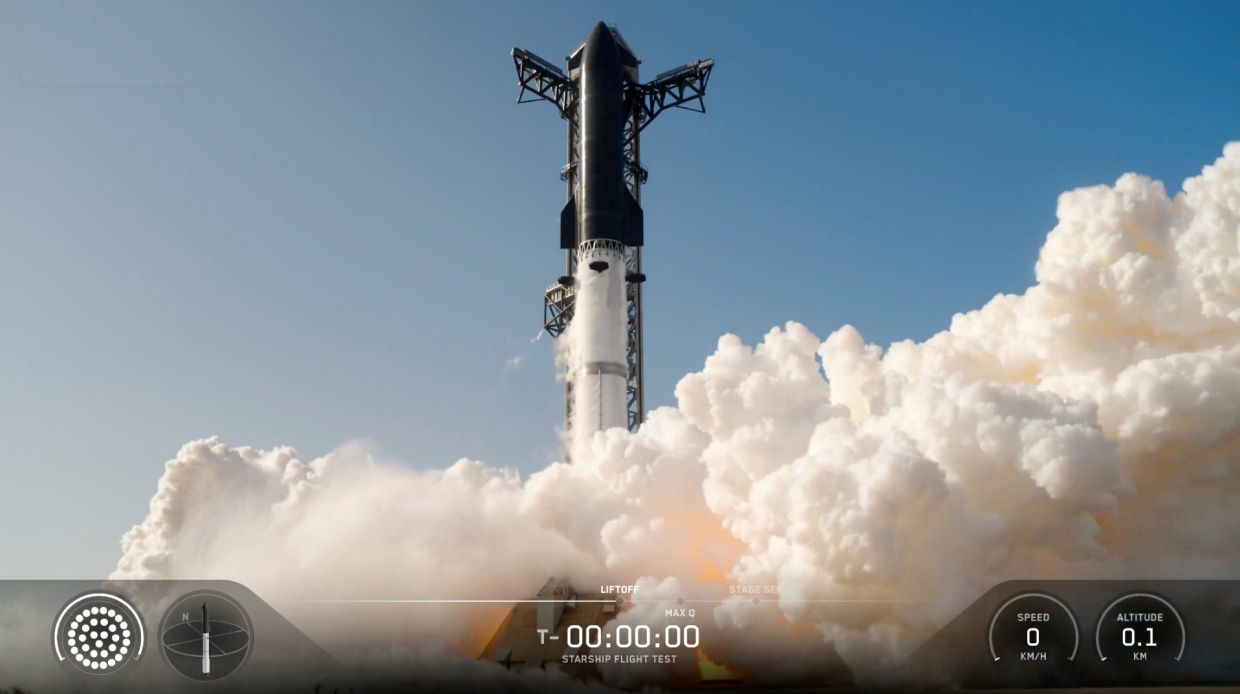
Launch of SpaceX Starship Flight 13. Credit: SpaceX
Following its historic June debut under ticker SPCX, SpaceX delivered its first quarterly financial report as a public entity for Q2 2026, posting total revenue of $7.81 billion, a 92% year-over-year surge that surpassed consensus estimates. Top-line expansion was spearheaded by the Starlink connectivity division, which generated $4.3 billion in quarterly revenue (up 66% year-over-year) and $2.6 billion in adjusted EBITDA. Starlink’s active subscriber base doubled year-over-year to 12 million, buoyed by major enterprise rollouts across global airlines, including American Airlines, Virgin Atlantic, and Aer Lingus. SpaceX also secured $6 billion in expanded U.S. government contract allocations for the Starshield national security platform.
(Source: SpaceQ Media: SpaceX Reports First Earnings Since Going Public, Revenue Surges 92% to $7.8B )
Capital Allocation into Orbital Compute and AI Infrastructure
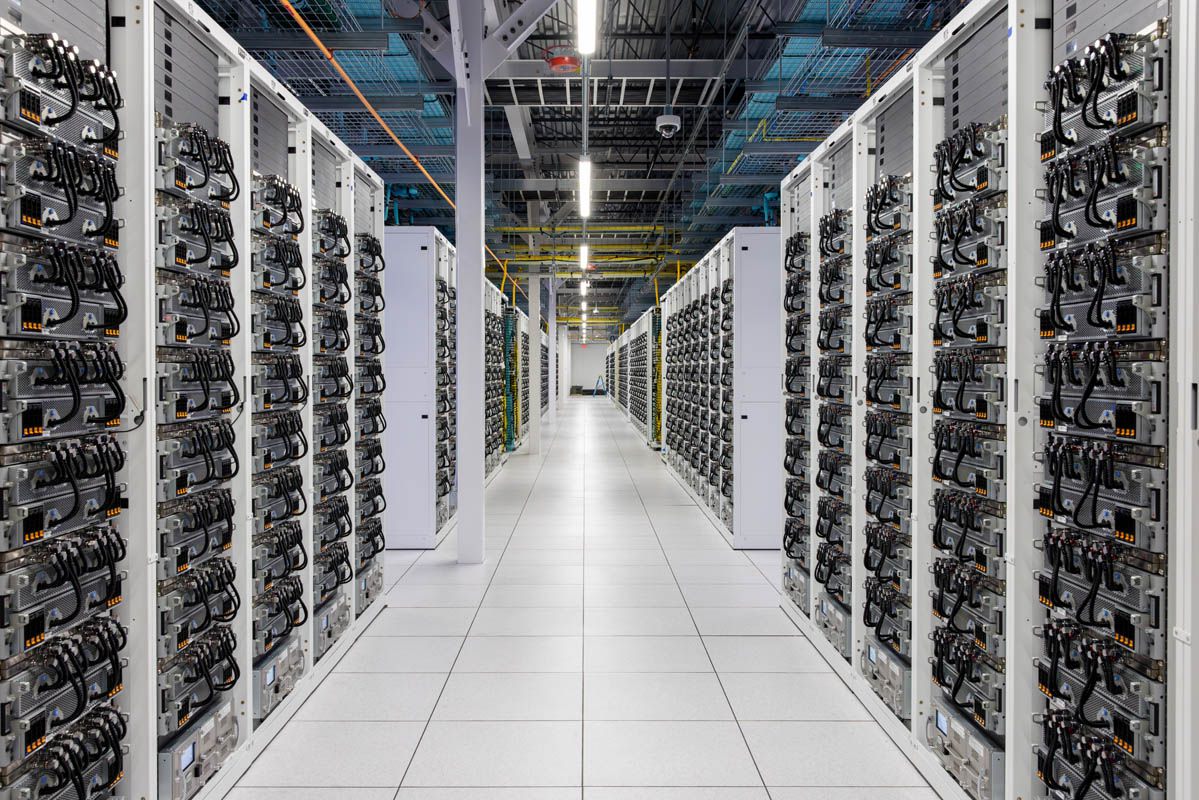
In a clear signal of long-term infrastructure positioning, SpaceX reported $18.4 billion in quarterly capital expenditures, directing $15.8 billion directly toward AI compute clusters and satellite constellation bandwidth. This massive capital cycle is engineered to support a targeted $100 billion annualized revenue run-rate by the end of the fiscal year. Crucially, the company’s dedicated AI and compute segment (which rents orbital and ground-station processing power to enterprise counterparties) saw revenue triple to $2.6 billion, flipping to positive adjusted EBITDA of $1.1 billion and confirming rapid commercial monetization of its compute layer.
(Sources: The Wall Street Journal — SpaceX Says Spending Spree Is Supercharging AI Revenues; Bloomberg News — SpaceX's AI Splurge Under Wall Street Scrutiny Following Inaugural Q2 Earnings)
Starship Reusability and Launch Economics

Starship and it's booster shortly after separation. Credit: SpaceX
While the Space segment (Falcon 9 and Starship operations) logged $962 million in revenue, segment EBITDA reflected a temporary loss of $205 million due to aggressive research and development allocations toward the Starship launch system. Operational metrics confirmed significant progress: telemetry analysis from recent orbital recovery tests verified that Starship's heat shield engineering parameters have been successfully validated. Resolving thermal protection integrity paves the way for fully reusable, high-frequency orbital flights, which are projected to reduce per-kilogram payload launch costs by up to 80% relative to Falcon 9 baselines.
 ByteDance: Enterprise Expansion and Automotive AI Integration
Tesla Integrates Doubao LLM Across Mainland China Fleet
In a major commercial expansion of ByteDance’s artificial intelligence stack, Tesla initiated a wide over-the-air (OTA) software update across its vehicle fleet in mainland China, embedding ByteDance’s Doubao Large Language Model (LLM) into its native cabin architecture. Hosted on ByteDance’s enterprise cloud platform, Volcano Engine, the Doubao integration powers Tesla's upgraded "Hey Tesla" voice assistant, executing real-time natural language commands for navigation, vehicle telemetry, climate control, and media. The partnership illustrates how Chinese internet giants are successfully commercializing enterprise AI models within multinational supply chains.
(Source: CNEVPost / TechNode: Tesla Brings ByteDance's Doubao AI Model to Vehicles Across China)
Seedance 2.0 Sets Benchmark in Generative AI Video
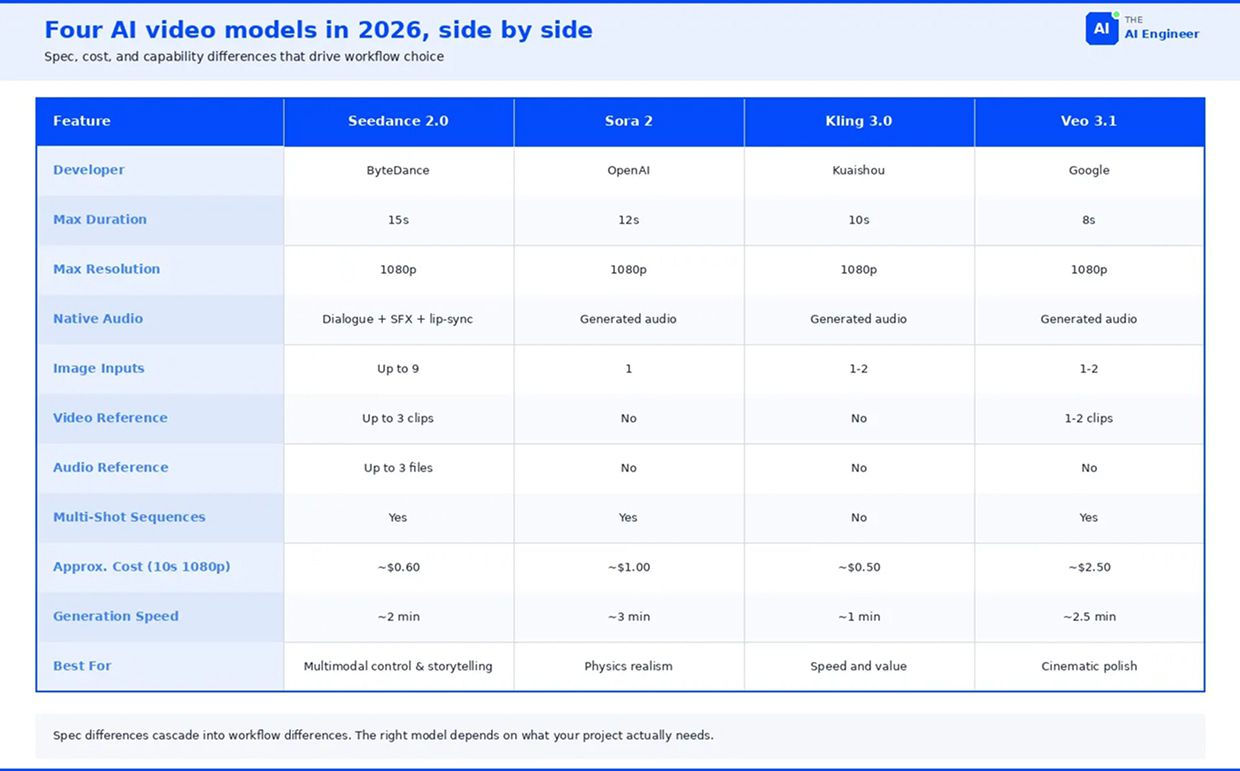
ByteDance has unveiled Seedance 2.0, its next-generation diffusion transformer model built for enterprise-grade generative video synthesis. Designed specifically to address character drift and temporal inconsistency across multi-scene rendering, Seedance 2.0 integrates real-time style-transfer APIs and low-latency rendering engines. The deployment allows digital media studios and software developers to programmatically transform low-fidelity mobile video feeds into high-resolution, photorealistic cinematic sequences while retaining character anchors, establishing Seedance 2.0 as a leading commercial protocol alongside OpenAI's Sora 2 and Google's Veo 3.1
The Evolution of Digital Assets & Institutional RWA Rails
CoinShares Report: Tokenized Real-World Assets Triple to $7.4 Billion
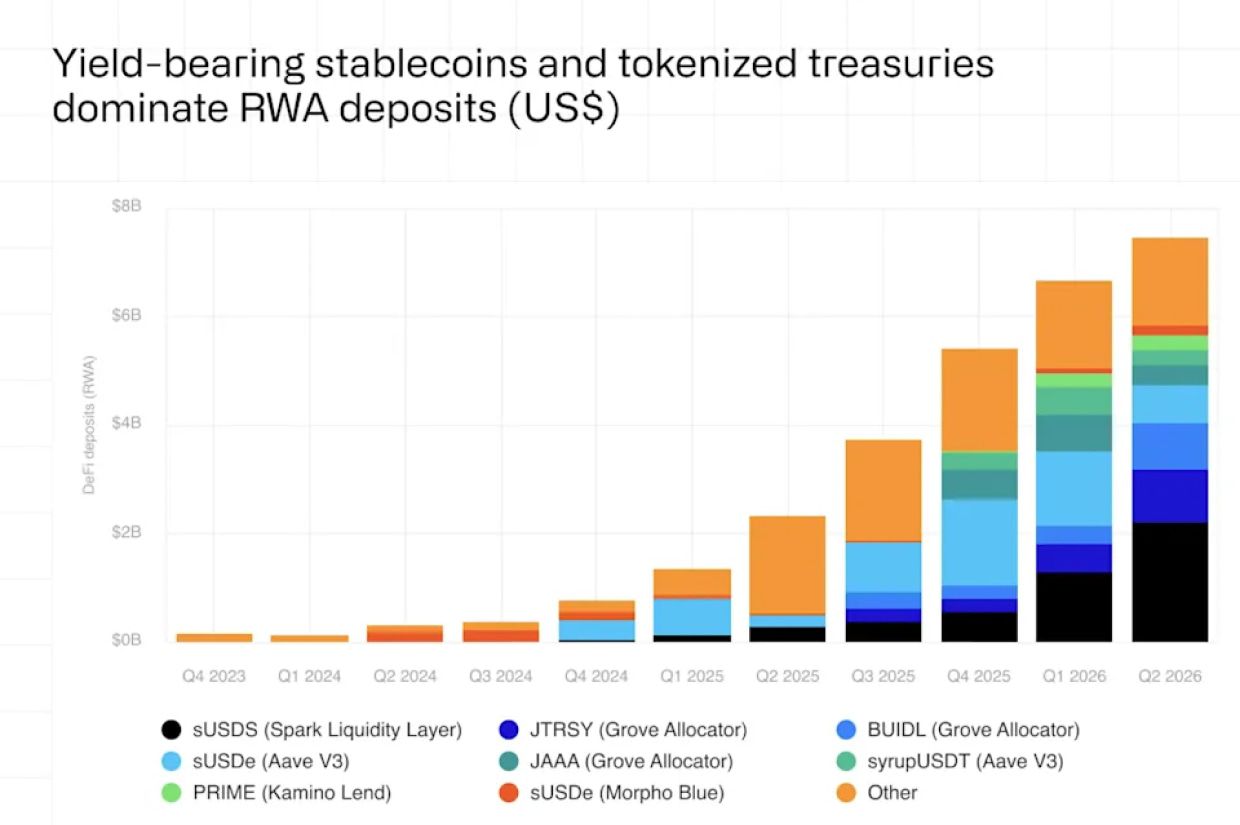
Tokenised Funds Emerging As The Primary Collateral Asset. Source: CoinShares
A joint research report published on August 6 by CoinShares (Nasdaq: CSHR) and Token Terminal revealed that active tokenized real-world assets (RWAs), excluding native crypto assets, more than tripled over the past 12 months, climbing from $2.3 billion to $7.4 billion in Q2 2026. While broader decentralized finance (DeFi) deposits contracted by 15% during the period, RWA spot trading volumes expanded by 220%. Institutional demand was dominated by tokenized U.S. Treasuries, sovereign debt instruments, gold, and tokenized equities, underscoring a structural market shift toward blockchain as a continuous, 24/7 clearing and settlement layer for traditional institutional capital.
(Source: Stock Titan / CoinShares Report : Treasuries, Gold and the S&P 500: The Assets Growing Fastest On-Chain Are the Most Traditional Ones; TradingView / Cointelegraph: US Treasury's lead tokenization wave as CoinShares predicts 2026 growth)
BlackRock Expands European Footprint via On-Chain UCITS Share Classes
Expanding its digital asset infrastructure beyond its U.S.-based BUIDL fund, BlackRock officially launched 12 tokenized on-chain share classes across six existing UCITS money market funds under its $311 billion Institutional Cash Series (ICS). Available across 15 European jurisdictions and deployed using J.P. Morgan’s Kinexys blockchain infrastructure, the framework enables institutional treasury managers to hold, transfer, and settle money market share allocations peer-to-peer 24/7. By leveraging existing UCITS legal umbrellas, BlackRock allows tokenized shares to inherit established regulatory protections, asset track records, and custodial oversight while unlocking real-time collateral movement on-chain.
(Source: BlackRock Cash Management : BlackRock Institutional Cash Series & Digital Asset Liquidity Infrastructure)
Market Infrastructure: Franklin Templeton BENJI Expands On-Chain Collateral Utility

Following the five-year milestone of its BENJI tokenized money market fund, Franklin Templeton expanded the platform's utility by enabling institutional clients to use BENJI tokens as off-exchange trading collateral. This framework allows market participants to post yield-bearing tokenized money market shares to satisfy margin requirements while keeping underlying assets in regulated custody.
(Source: Franklin Templeton Digital Assets: Franklin Templeton BENJI Platform Capabilities; Binance Institutional: Tokenized Money Market Funds Live as Off-Exchange Collateral)
Republic Ecosystem & Product Update
Republic Wallet Multi-Chain Liquidity & Security Optimizations
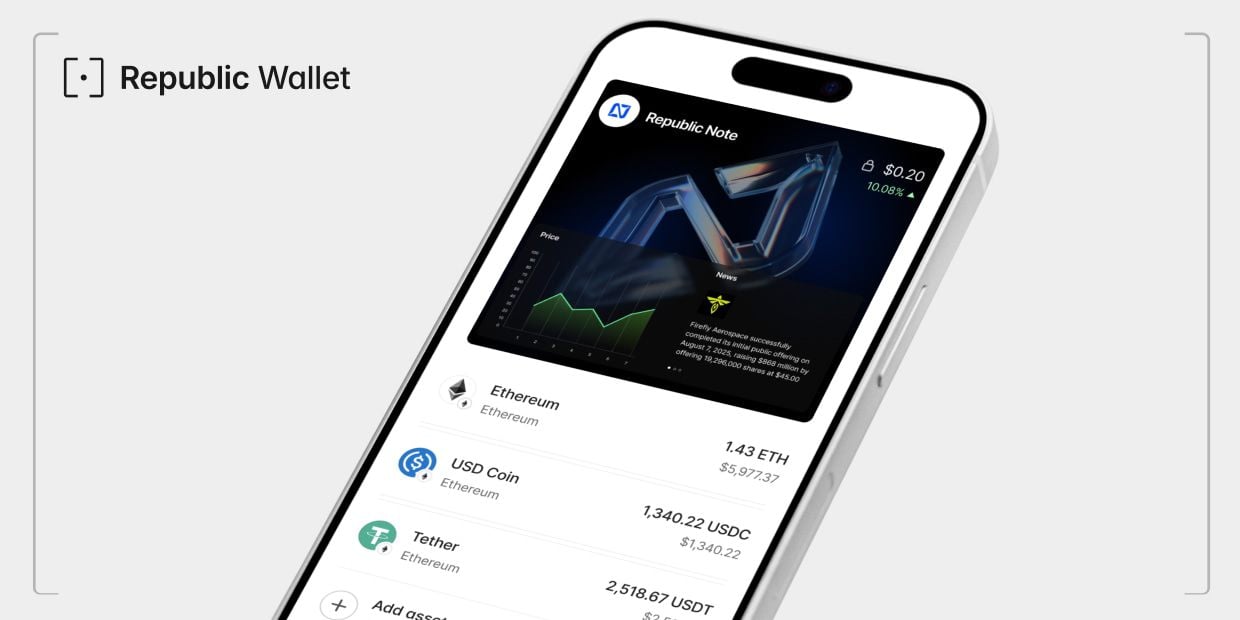
Following the deployment of our core wallet updates last month, Republic Wallet has integrated expanded multi-chain routing for tokenized real-world securities and institutional yield products. The upgraded settlement engine reduces cross-chain routing friction, enhances self-custodial key recovery management, and provides direct access to compliant primary and secondary asset distributions. Individual and accredited investors can seamlessly store, manage, and interact with tokenized traditional securities and Web3 assets through a single, unified interface.