

 Oops! We couldn’t find any results...
What’s the inspiration behind Manta Biofuel?
Manta Biofuel’s origins go back to my days as a cash strapped Ph.D. student at the University of Maryland. One day I was in the lab trying to work out how to lower the cost of an algae harvesting technology. This technology used a massive bacterium (by bacterial standards) to harvest algae, but it was far too expensive to use in practice. I was trying to figure out how to recycle the bacteria by attaching them to magnetic particles. One day on a whim I tried using just the particles alone. When I saw that the particles actually worked better than the bacteria, I knew I was on to something because harvesting has been a major problem for decades in algal biofuels.
The next piece of the puzzle fell into place when I had a chance encounter with a colleague who had an algae culture composed of many different species of algae: a polyculture. This type of algae is very cheap to grow and is, in fact, happy growing on manure alone. When I tried harvesting the algae with the new magnetic particles it worked like a charm. Critically this way of growing algae is already scaled up and produces about 1 billion tons of algae per year for the aquaculture and waste-water treatment industry. To put that in perspective, 1 billion tons of algae would provide about half of the US’ oil requirements!
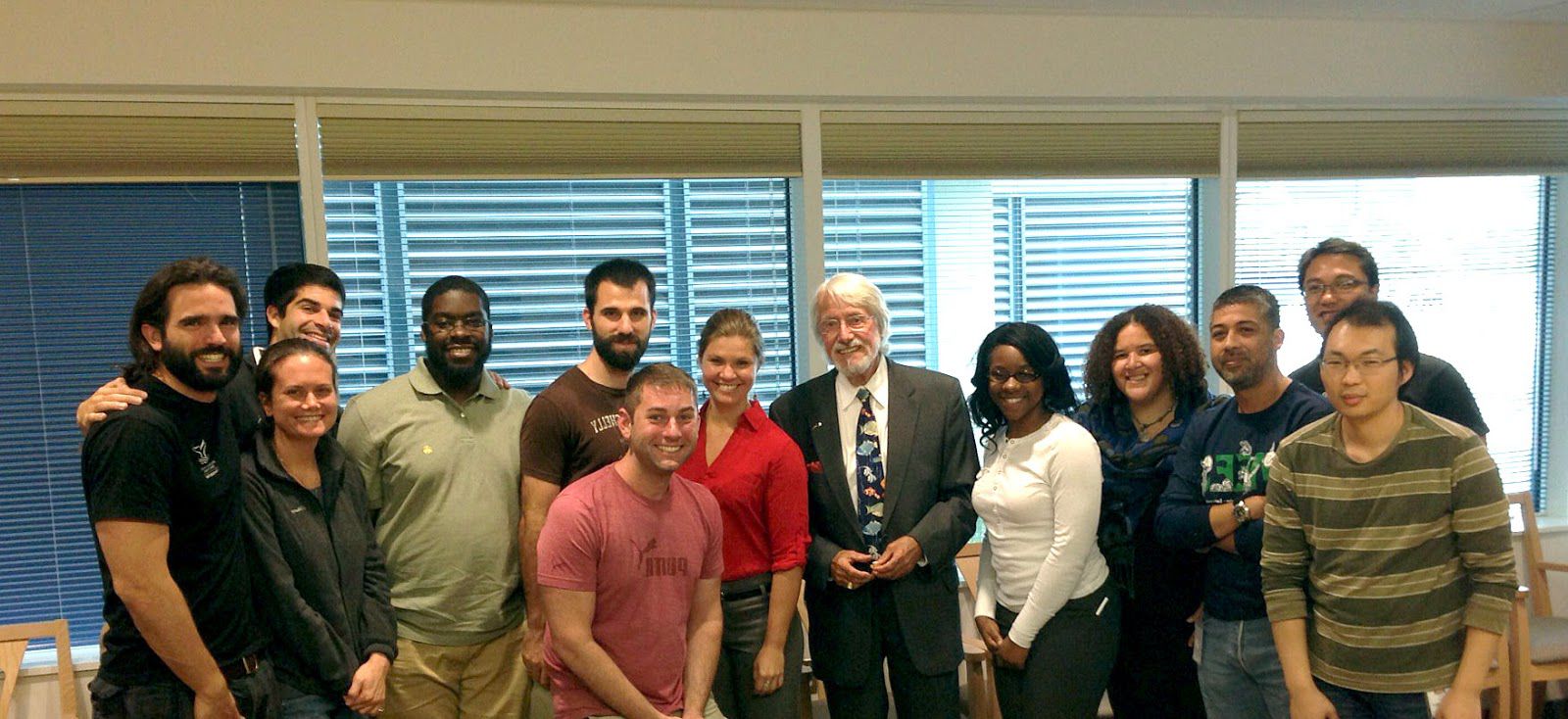 Ryan in his graduate school days with fellow Ph.D. students at IMETAt this point, I knew I had something big: low-cost solutions to both the algae growth and harvest problems. Billions of dollars have been spent pursuing what I had in my hands right then… I wanted this discovery to do some good in the world, so I built Manta as a way to execute on that promise.
As a scientist who can really dig into the data, I know that climate change is settled science and perhaps more than most, I can connect the dots and see what is in store for us if we fail to act. I also know that most of this burden of failure will fall on the next generation and the ones that come after them. Having two little girls of my own, this is not theoretical to me. I know they will have to deal with any inaction of my generation. The promise of this technology and trying to ensure a better world for them is what still drives me to this day.
How did you first become interested in algae biofuel?
I first became interested in this space when I started in Dr. Russell Hill’s lab at the University of Maryland. But as I learned more I realized how this area really could help to displace liquid fossil fuels if you could get it right. The key challenge is cost. Everything has to be done for a low price point. When you look at the numbers from a scientist's perspective, they seem crazy at first, but having grown up on a farm I knew intuitively it was possible after being part of growing and harvesting commodity crops for similar price points.
What difficulties do you foresee regarding the acceptance of this as a fuel source? How are you overcoming this?
One of the major challenges is just scale. The fuels industry is massive. It is so large, it is actually hard to wrap your head around it. For many sectors like crude oil, you need a large production capacity before it starts to become interesting. As a frame of reference, a typical oil refinery processes 250,000-500,000 barrels of oil a day! This is why we started in the heating oil space. Here customers buy 5-20 barrels at a time and some customers like universities have internal renewable goals, so they really do care about the renewable aspect.
How has your work on your family’s farm impacted your business strategy?
My experience growing up on a farm has shaped our business strategy in many ways. My experience makes me a bridge between the blue-collar and white-collar worlds. I know how to edit DNA, perform chemical syntheses and set up carefully controlled scientific experiments, but I also know how to pragmatically build and operate all manner of machinery. I don’t mind digging in, getting dirty and hammering out a manual labor job to get things done. My team will tell you I take a certain (to them baffling) joy in adding the manure to the ponds. I mean, come on, the poop jokes are endless!
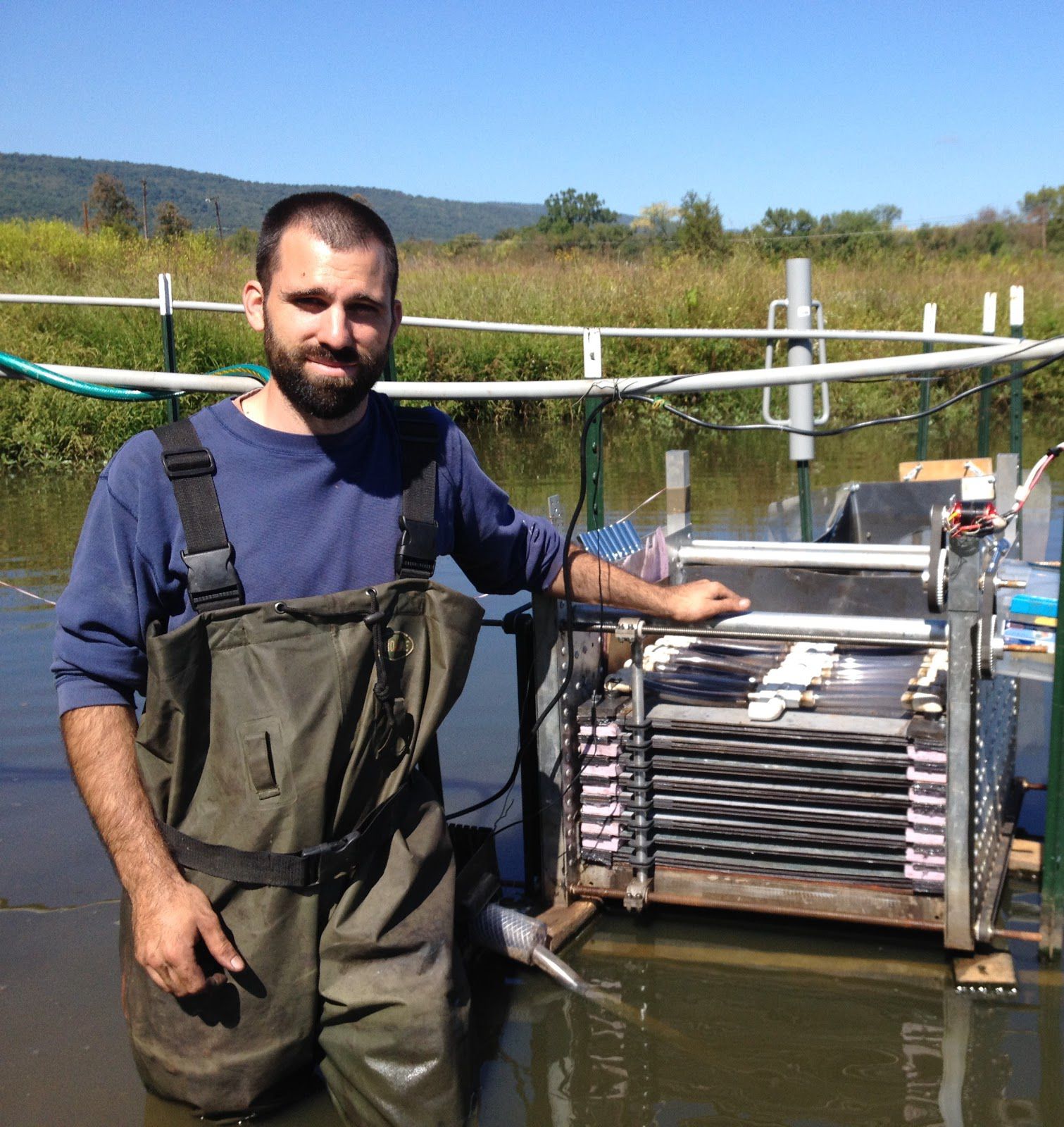 Ryan standing knee deep in algae grown with chicken manure
From a strategy perspective, the biggest part is an understanding of the communities where these facilities will be located. Algal biofuel companies have planned on privately developing massive facilities in rural areas. This approach is unlikely to succeed because land is very hard to acquire in rural areas. Selling farmland for development by a large corporation would be, and has been, fought tooth and nail by local landholders. As an example from my own family, keeping this land in the family as farmland is so important that it is written in my family’s will! This may seem crazy to people living in urban areas but it is important to understand that this land has been accumulated by almost a century of hard work, sweat and pure grit of several successive generations. That’s why our company’s goal is to bring a new crop to these areas and allow farmers to participate in its production.
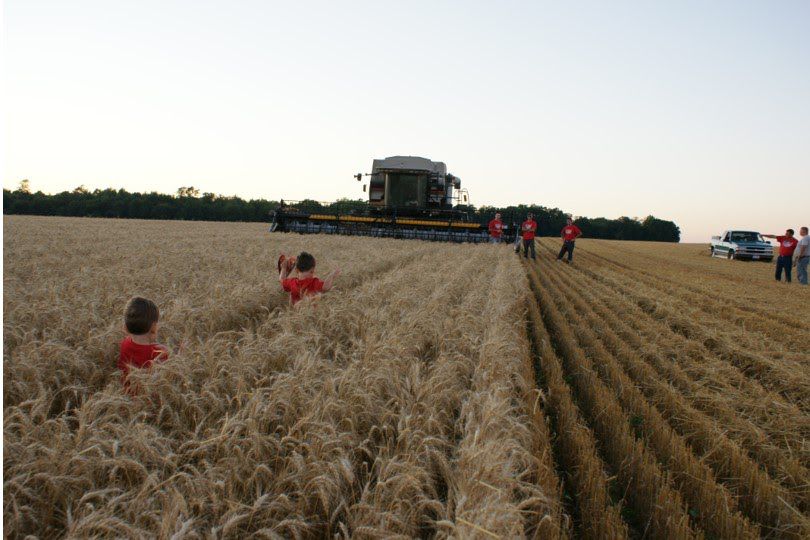 Three generations on the Powell family farm
Our strategy also plays into a deep understanding of how community-scale commodity markets work. For grain farming, there are central consolidation points known as elevators. These businesses are located on rail lines or at barge terminals. Farmers sell their crop to these consolidators who then sell the commodity in bulk to larger customers. Our business model emulates this as it is known to work, and importantly, it is something that these landholders would be familiar with, even if the commodity is different.
How do you handle risk and competition?
We handle risk by making small bets first and by being highly data-driven. If there is a new idea we want to try it first by finding the quickest, cheapest way to test it, making sure we don’t invest too much time or money. If something passes this first test and the data look good we double down and invest more time and money. This approach lets us quickly kill bad ideas and steadily de-risk a process. This has allowed us to run incredibly lean for a hardware tech startup. It has allowed us to scout a lot of possibility space and find some incredible efficiency improvements, like the one that we highlighted in a recent post.
What’s been the #1 (or two) top challenges you’ve faced while launching your company?
Securing capital. At least 40-times more money goes into things like the next dating app or ride sharing app than renewable energy. While the need for renewable energy is great, there is relatively little capital being invested into early-stage companies. The disparity is much greater if you drill down and look at the stage investments happen in renewable energy. Many investments tend to happen later in a company’s life cycle. This is where Republic’s democratization of startup investing can really move the needle in cleantech.
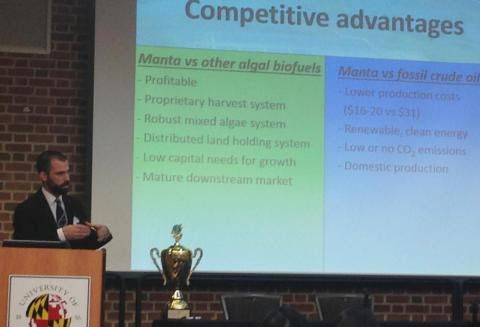 Ryan pitching at the ACC 100k Clean Energy Challenge
Have you learned anything new or surprising about yourself through this process?
I have learned how much I truly enjoy a real challenge. Developing this company is the first time I have felt that I have really been challenged. In comparison, doing my Ph.D. was relatively trivial. But this is something I enjoy, particularly the number and diversity of challenges to solve.
What are some quick tips people can take to be more environmentally conscious?
If I had any advice, I would say trying to focus your efforts on the areas that provide the most return on investment is a great way to go. Another way to put this is to seek out opportunities to multiply your impact. The democratization of investing in renewable energy startups like our own is one way to really leverage your impact.
What’s your team culture like?
We are a data-driven and egalitarian company by nature. Anyone in the team is free to question an idea/approach. Some of our best ideas have come from interns newly started on the job.
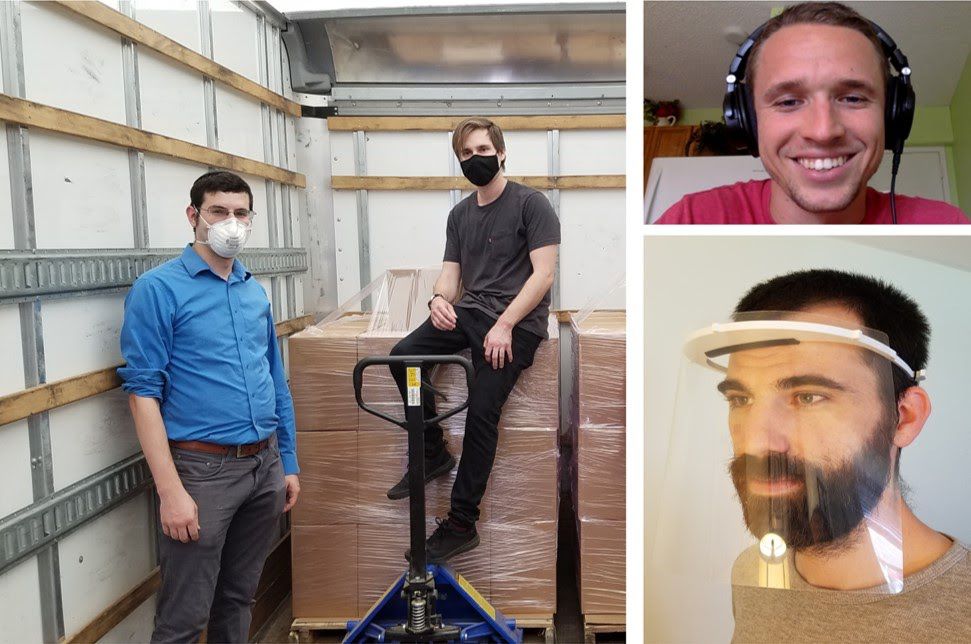 Team pictures from 2020
What is your superpower?
I think that would be my ability to see solutions to tough problems where others might not. One of my Ph.D. committee members described me as a fountain of ideas. This allows me to see my way around most problems rapidly and often turn things that are a problem into part of a solution.
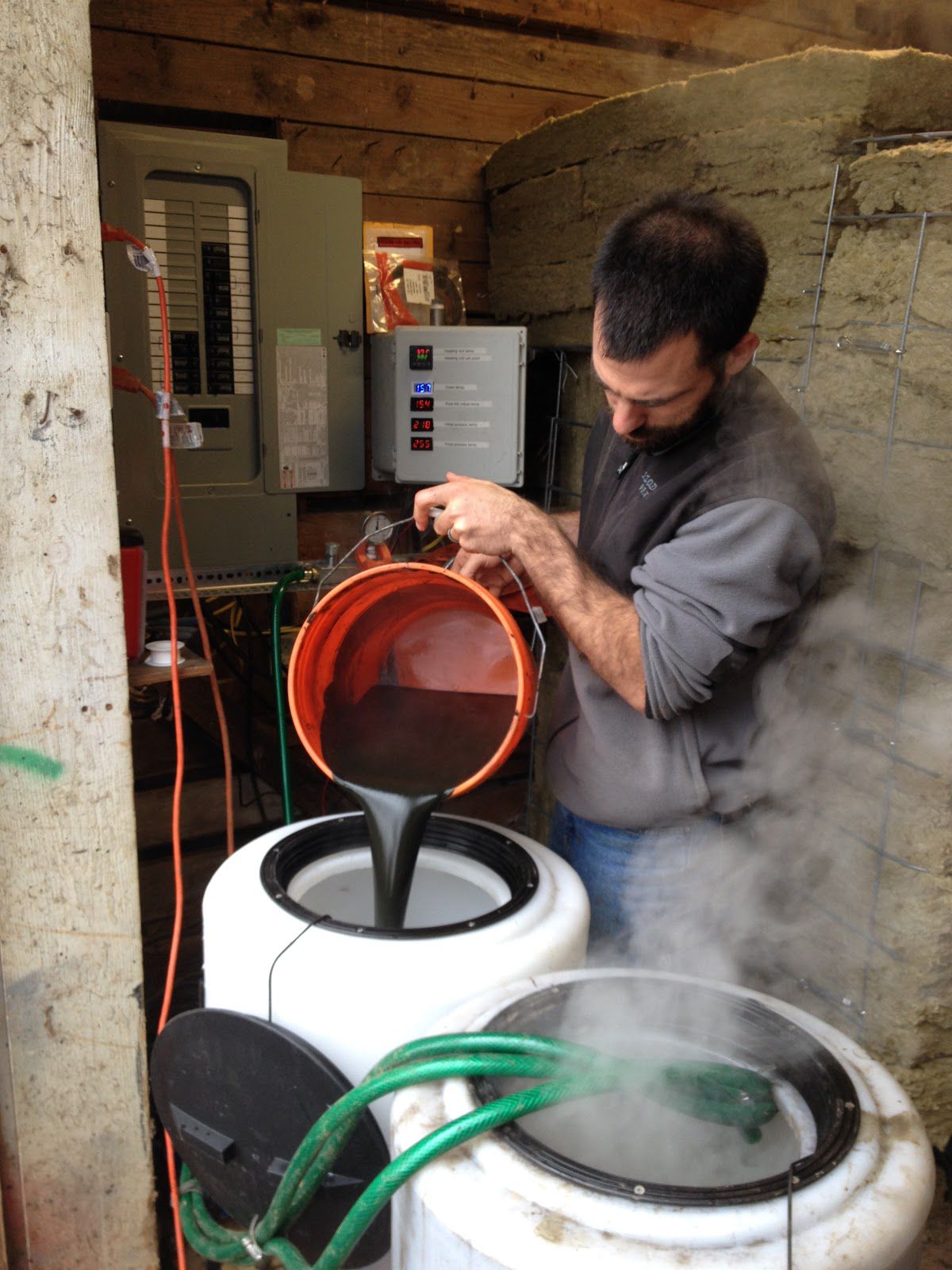 Ryan doing early stage testing of their hydrothermal liquefaction conversion technology
What’s your kryptonite?
Stubbornness (both a vice and a virtue). This is something of a family trait, which can cause some problems. On the other hand, stubbornness is also how they pushed through all manner of setbacks without giving up.
In the startup world, you come across a steady stream of problems and you need to have the fortitude to push through them and not give up.
Do you have any unusual routines or habits?
I like to start my day early, getting up around 5:00am each day. I’m definitely an early bird by nature, but the real reason I do this is so I can put in a long day and still be home to be with my two little girls for dinner every night. They are one of the major motivations that drive me forward every day to keep working and solving problems so they and their kids can have a better future.
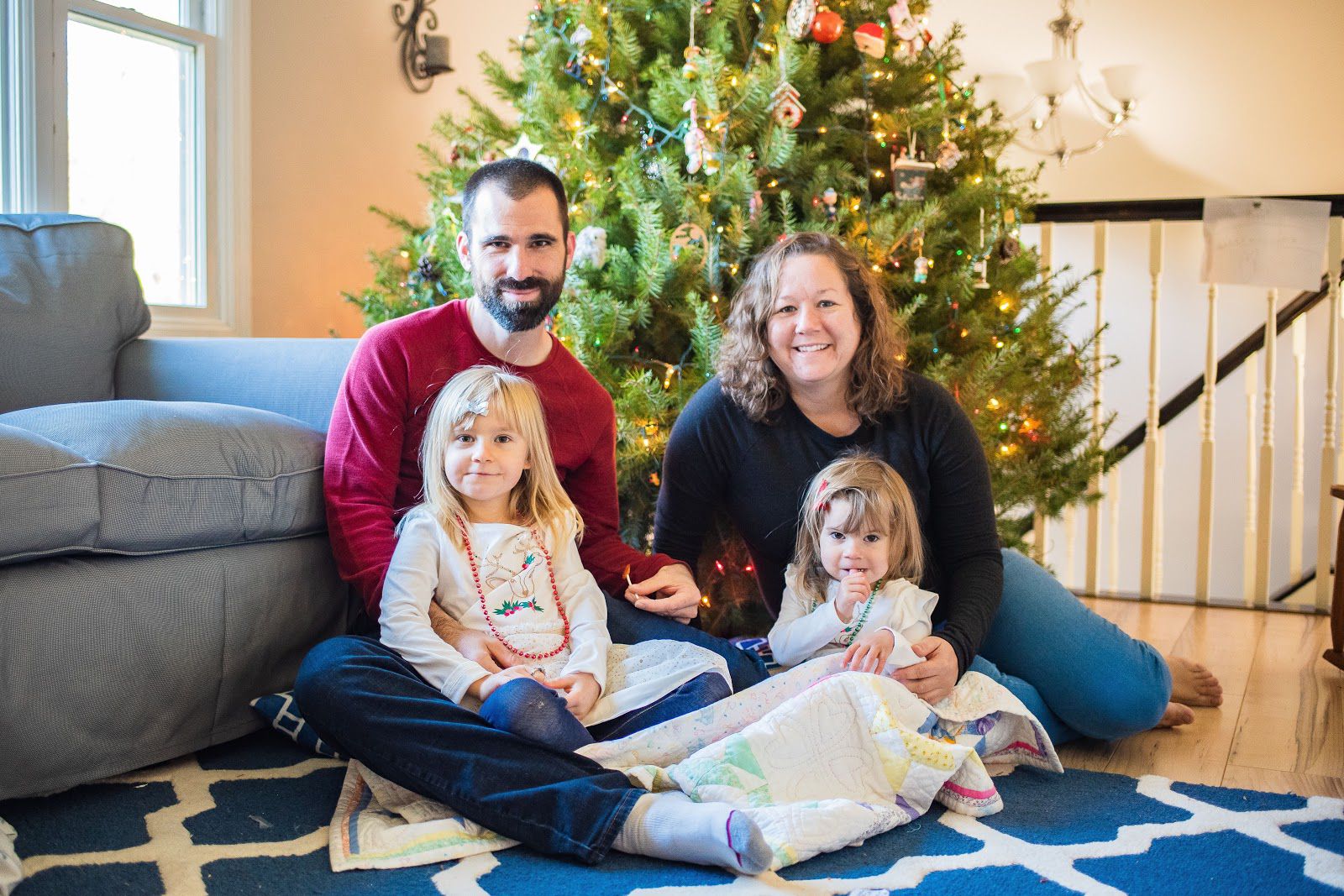 Ryan with his wife Kerry and two daughters Kaylee & Taylor
Do you have any other hobbies/things you like to do in your spare time?
Between the company and my family, there is not much time for hobbies right now, though I do run several times a week and also enjoy cooking. BCC (before children/company) I had more time for hobbies and liked to brew beer, play soccer, go hiking and do adventure races with my now wife.
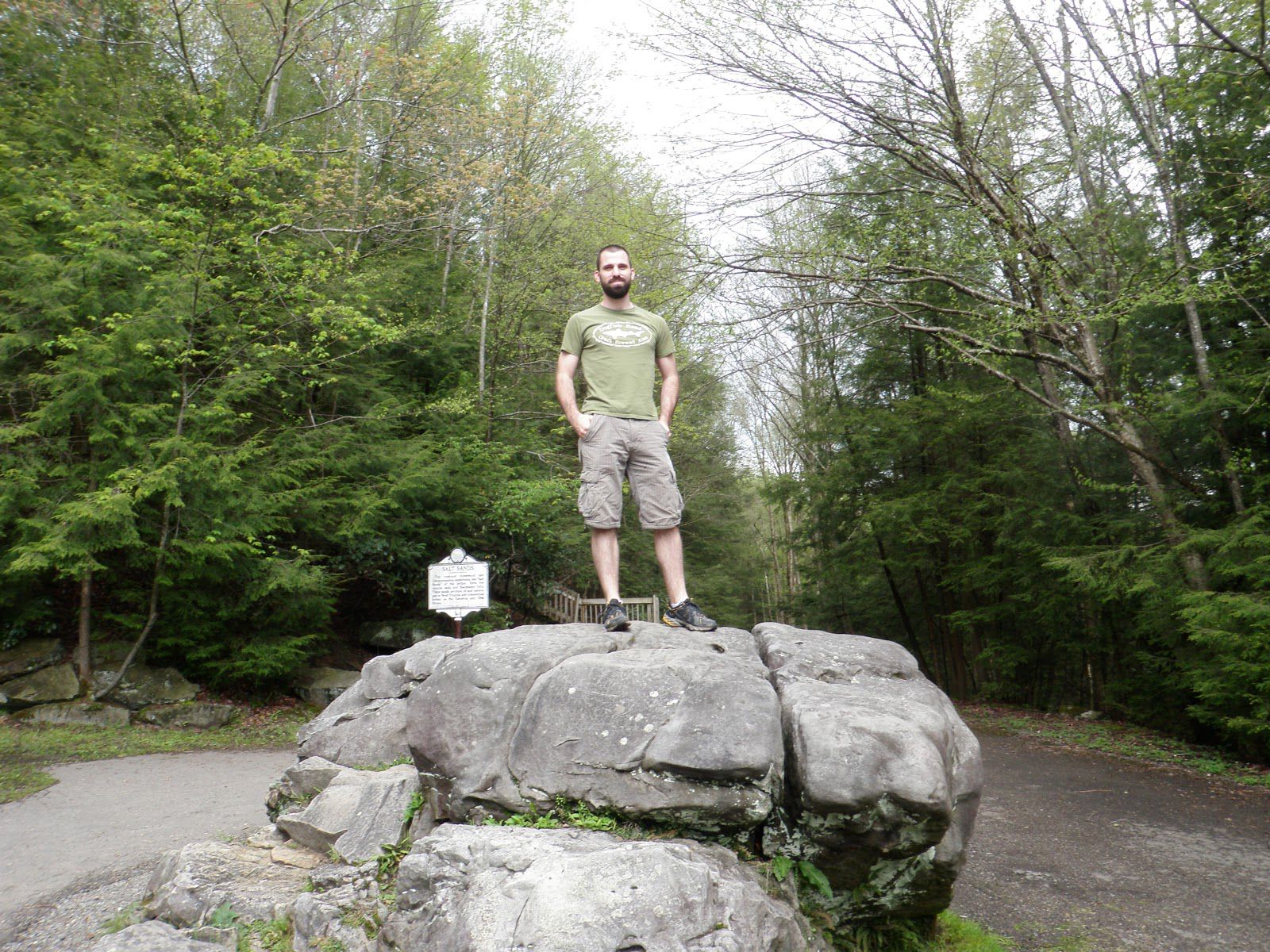 Ryan on a hike BCC (before children/company)
What’s the best piece of advice you’ve received?
To keep going and not give up. There is a saying that all overnight successes take ten years to build. Every world changing company starts small, and it takes a lot of grit to work through those early stages.
Do you have a(ny) mentor(s)? If so, what have they taught you?
I would certainly mention my parents as role models. Farming is a tough business. Most family farmers have been pushed out of business. They showed me how to work hard and not give up.
My Ph.D. adviser, Russell Hill, is a key mentor. Russell is the Director of the Institute of Marine and Environmental Technology (part of University of Maryland) and, in addition to being a great scientist, he is a gifted leader. I often lean on him when I have a particularly complicated challenge.
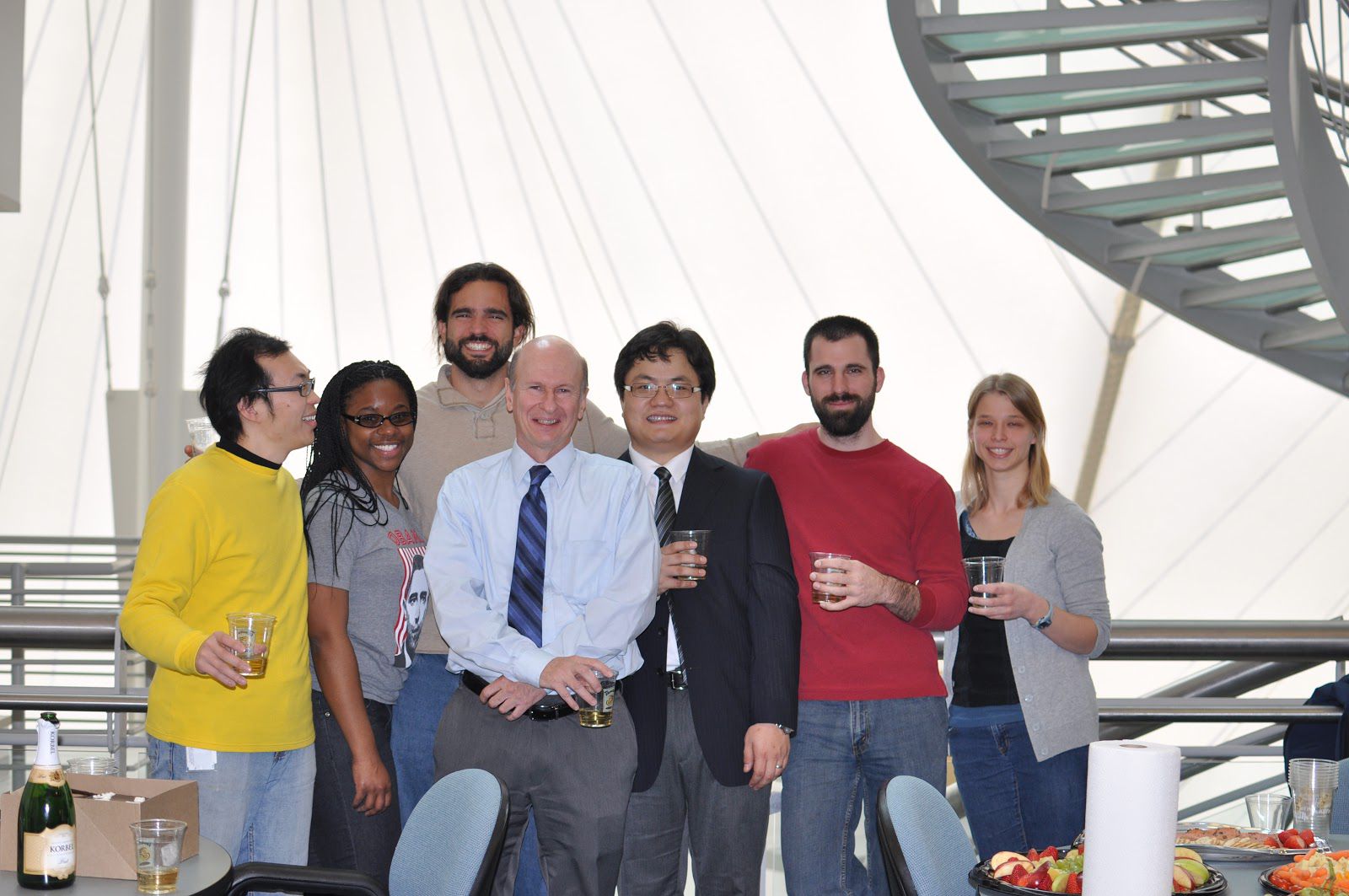 Dr. Russell Hill, with Ryan and fellow Ph.D. students